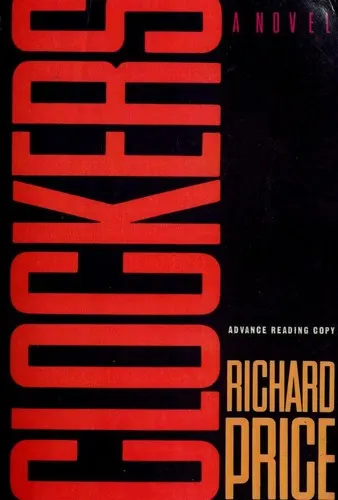
Books like Clockers
The whole machine. What makes Clockers extraordinary is Price’s ability to see crime as an ecosystem: cops, dealers, families, institutions, private vanities and public pressures, all rendered through exact dialogue and without easy moral sorting. These three novels possess that same encompassing intelligence.
If you liked Clockers, you’ll love these
Not lookalikes — kindred books. Each one shares something essential with Clockers, and we tell you exactly what.
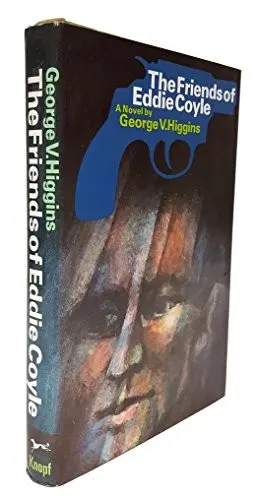
Higgins does with conversation what Price does in Clockers: exposes an entire social order without stopping to explain it. Eddie is a small-time Boston criminal trying to stay out of prison, moving among gunrunners, informants and lawmen who all speak in wary jokes, coded threats and evasions. Every exchange is simultaneously character study, negotiation and trap.
This lean 1970 novel became a touchstone for generations of crime writers because it stripped away gangster glamour and revealed crime as precarious work performed by frightened, compromised people. If Price’s dialogue made you feel that you were overhearing lives rather than reading scenes, Higgins’s masterpiece is indispensable.
Lorenzo Brown, an ex-con now working as an animal-control officer in Washington, D.C., is trying to build a life governed by routine and restraint. His parole officer, Rachel Lopez, is just as committed to saving others and much less capable of controlling herself. Pelecanos alternates between them with unusual compassion, showing how hard-won decency can be threatened by appetite, memory and the neighborhood’s gravitational pull.
The kinship with Clockers lies less in urban subject matter than in moral attention. Pelecanos notices jobs, loyalties, small humiliations and the daily labor required not to become your worst self. One of the essential novelists behind The Wire, he brings the same institutional understanding here in a form that is intimate, taut and painfully humane.
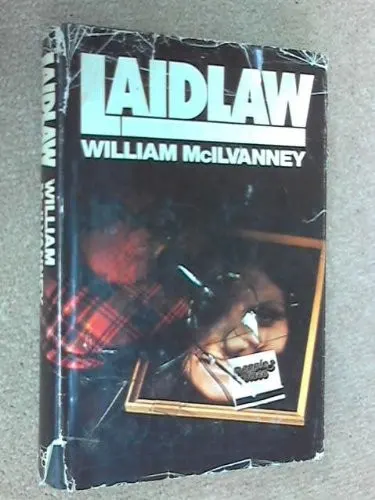
Detective Jack Laidlaw moves through Glasgow less like a puzzle-solver than a troubled philosopher taking the moral temperature of the city. When a young woman is killed, McIlvanney widens the investigation into a portrait of families, streets and masculine codes—yet his fierce, compressed prose keeps every encounter alive.
Like Price, McIlvanney refuses to divide the world into respectable investigators and alien criminals. His people are contradictory, socially embedded and capable of recognizing truths they cannot live by. Laidlaw won the CWA Silver Dagger and became a foundational work of Scottish crime fiction; the leading Scottish crime prize now bears McIlvanney’s name. Its influence is substantial, but its real claim on you is the voice: bruised, searching and unlike anyone else’s.