Author
Books like Don Winslow
4 books we recommend to Don Winslow readers, drawn from The Power of the Dog and The Winter of Frankie Machine — each with the reason why.
If you loved The Power of the Dog
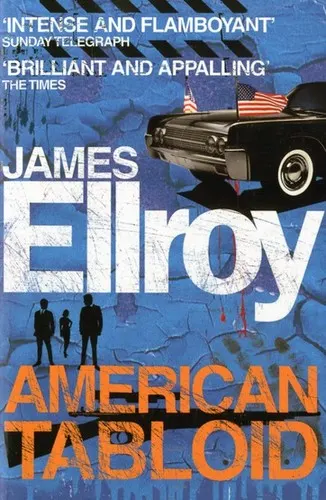
If Winslow’s novel thrilled you by revealing respectable institutions as masks for organized violence, American Tabloid is essential. Ellroy follows three ruthlessly capable operators into the hidden traffic among law enforcement, politics, organized crime, and celebrity at the dawn of the 1960s. They are compromised from the start; the fascination lies in watching their appetites collide with history.
Ellroy’s prose is clipped, percussive, and intoxicating—less a smooth narrative than a barrage of dossiers, threats, wiretaps, and betrayals. Yet beneath its swagger is a serious vision of power: history is made not only in public speeches but through favors, grudges, and deniable brutality. Often considered Ellroy’s masterpiece, it delivers the scale of a national epic with the speed of a getaway car.
Clockers narrows the lens without shrinking the world. Its central figures—a homicide detective and a young drug dealer managing a crew—inhabit opposite sides of a system that has trained both of them to distrust easy truths. Price makes every interrogation, street conversation, and minor transaction reveal another layer of coercion, ambition, fear, or self-deception.
What will grip a Winslow reader is the refusal to divide people neatly into predators and innocents. Price’s dialogue has legendary authenticity, but the novel’s real distinction is its moral attention: nobody is reduced to a case file or a sociological example. A landmark of modern American crime fiction, Clockers makes the drug war intimate enough to hear people breathe—and once its world closes around you, conventional police novels can feel thin by comparison.
If you loved The Winter of Frankie Machine
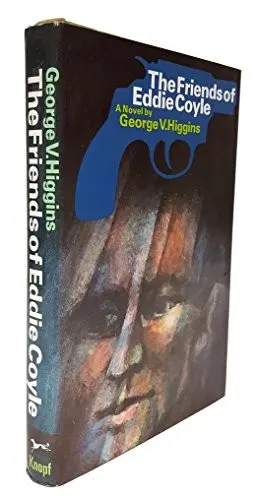
Eddie Coyle is an aging Boston gunrunner facing prison and discovering that years of favors, loyalties, and professional discretion may buy him very little. Like Frankie, he is neither romanticized nor reduced to a thug: he is a skilled working man whose trade happens to be crime, and Higgins understands every transaction, hierarchy, and veiled threat that structures his world.
The novel is leaner and colder than Winslow’s, driven by dialogue so exact that whole lives emerge from what its criminals refuse to say. Elmore Leonard famously called it the best crime novel ever written, and its influence runs through modern crime fiction. If Frankie’s competence, melancholy, and belated reckoning held you, Eddie Coyle is indispensable.
This is the unexpected match: not a crime novel, but a fierce, funny, bruising book about the emotional world beneath Frankie’s code. Henry Molise returns to his California hometown to deal with his aging Italian-American father, Nick, a domineering bricklayer whose pride, appetites, violence, and extraordinary skill have shaped the entire family.
Fante writes masculinity as both inheritance and trap. Like Winslow, he understands men who express love through work, loyalty, insults, and stubborn acts rather than confession; he also understands the terror of becoming obsolete. The masonry scenes possess the same tactile authority as Frankie preparing for danger: competence becomes character. Fante’s devoted reputation rests on prose that can turn from comic fury to heartbreak in a line, and this compact late novel reaches the family sorrow that gives Frankie’s winter its deepest chill.