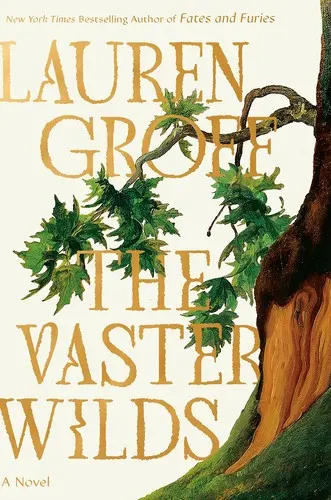
Books like The Vaster Wilds
The Vaster Wilds turns hunger, cold, and terror into revelation: every scraped foot and desperate mouthful strips away another inherited lie.
If you liked The Vaster Wilds, you’ll love these
Not lookalikes — kindred books. Each one shares something essential with The Vaster Wilds, and we tell you exactly what.
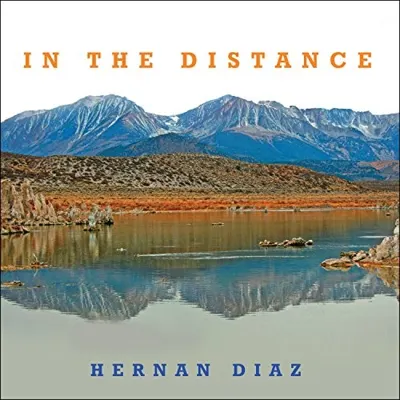
Diaz’s Pulitzer-finalist anti-Western follows Håkan, a Swedish immigrant separated from his brother and stranded in nineteenth-century America. Like Groff, Diaz places a nearly wordless outsider inside a landscape that others have already burdened with fantasies of conquest, providence, and civilization.
What matters is not the shared wilderness but the moral estrangement. Håkan’s bodily ordeals become a way of exposing the myths around him; the farther he travels, the stranger and more monstrous “civilized” society appears. Diaz’s prose has Groff’s rare combination of elemental clarity and visionary force. This is frontier fiction turned inside out—lonely, uncanny, and unforgettable.
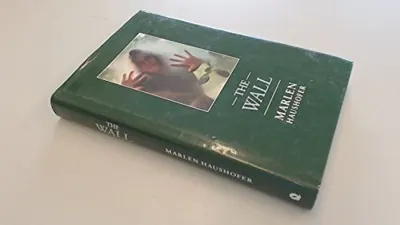
A woman wakes in an Alpine hunting lodge to discover that an invisible barrier has cut her off from the rest of humanity. Haushofer then does something extraordinary: she makes planting potatoes, cutting hay, rationing matches, and caring for animals as gripping as any conventional adventure.
Readers who loved Groff’s refusal to separate the life of the mind from the humiliations of the body will recognize the power here. Solitude dismantles the narrator’s old assumptions while sharpening her tenderness toward the living world. Long regarded as a feminist and ecological cult classic, The Wall inspires fierce devotion because its practical realism quietly opens into something immense: a haunting inquiry into what remains when society disappears.
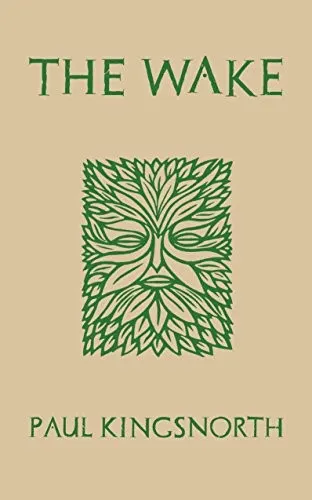
Set after the Norman conquest, The Wake is narrated by Buccmaster, a landowner who retreats into the English fens and clings to the gods, hierarchies, and heroic stories of a world being destroyed. His voice—written in Kingsnorth’s invented, Anglo-Saxon-inflected English—initially feels alien, then becomes hypnotic.
The kinship with Groff lies in language as consciousness. Both novels force us inside a mind whose spiritual vocabulary is buckling under historical catastrophe; both treat wilderness as a presence that resists human ownership. Yet Kingsnorth adds a bracing complication: Buccmaster’s self-image is not necessarily the truth. Booker-longlisted and unlike almost anything else in contemporary fiction, The Wake is a savage, darkly comic masterpiece of faith, delusion, and cultural collapse.