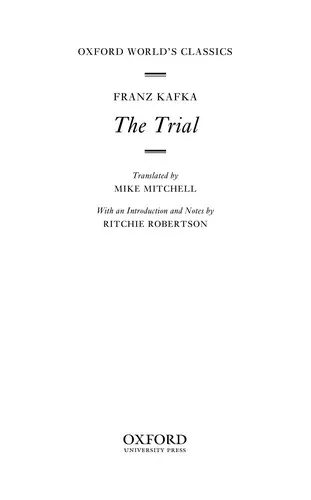
Books like The Trial
You already know that Kafka’s nightmare is compelling not simply because it is absurd, but because its absurdity feels morally exact: power remains invisible, guilt precedes judgment, and comedy keeps curdling into terror. These three novels recreate that pressure in strikingly different ways.
If you liked The Trial, you’ll love these
Not lookalikes — kindred books. Each one shares something essential with The Trial, and we tell you exactly what.
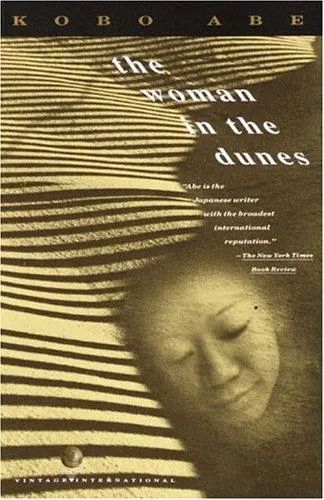
An entomologist visiting a remote village finds himself lodged at the bottom of a sand pit, where daily life is governed by rules no one will adequately explain. Like Josef K., he argues, schemes, protests, and searches for the rational mechanism behind his predicament—only to discover that reason itself can become part of the trap.
Abe makes physical what Kafka makes bureaucratic: obligation accumulates grain by grain until the impossible begins to resemble ordinary life. The novel is tactile, erotic, grimly funny, and philosophically unsettling without ever turning into an abstract parable. Winner of Japan’s Yomiuri Prize and the source of Hiroshi Teshigahara’s celebrated film, it has become a modern classic of entrapment. If the inexorable logic of The Trial fascinated you, this is the rare novel that can make you feel caught all over again.
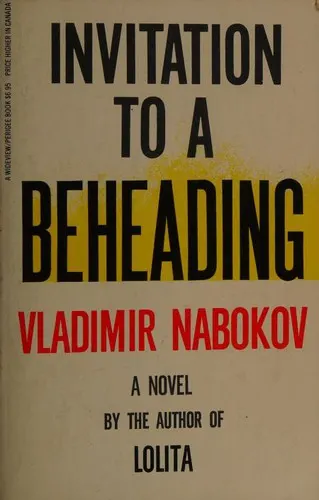
Cincinnatus C. has been condemned to death for the incomprehensible crime of “gnostical turpitude.” Around him, jailers, officials, and visitors behave like incompetent actors in a shabby production; their cheerfulness only makes the sentence more horrifying.
The kinship with Kafka lies in the collision between lethal authority and farce, but Nabokov’s response is fiercely his own. Where The Trial’s language tightens the net, Nabokov’s prose glitters, mutinies, and searches for an escape beyond the reality his captors control. Written before Nabokov became famous in English, this remains one of his strangest and most passionately admired novels—a short, dazzling demonstration that imagination can resist even when argument cannot.
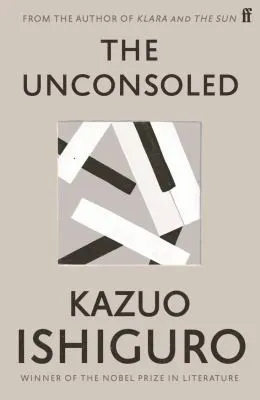
A celebrated pianist arrives in an unnamed European city for an important performance. Almost immediately, strangers begin assigning him errands, obligations, and emotional debts that he cannot remember accepting. Corridors stretch improbably, schedules mutate, and every attempt to satisfy one demand produces several more.
Ishiguro reproduces the deepest experience of reading The Trial: the dreadful suspicion that everyone else understands the rules and that your failure to understand them is itself an offense. Yet the authority here is dispersed through politeness, disappointment, family feeling, and social expectation. The result is enormous, hypnotic, and often painfully funny. Famously divisive on publication, it has become one of Ishiguro’s most ardently defended achievements. Surrender to its dream logic and you may find ordinary guilt and obligation permanently altered.