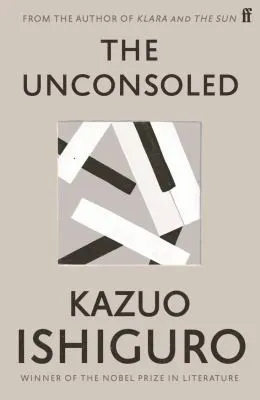
Books like The Unconsoled
Leonora Carrington’s mischievous tale of a ninety-two-year-old woman may seem far from Ryder’s professional nightmare, yet it runs on the same uncanny fuel: solemn obligations, inexplicable institutions, and absurdity that gradually acquires metaphysical force. These three novels capture different pleasures of The Unconsoled—its dream architecture, anxious comedy, and sense that art is both a calling and an elaborate trap.
If you liked The Unconsoled, you’ll love these
Not lookalikes — kindred books. Each one shares something essential with The Unconsoled, and we tell you exactly what.
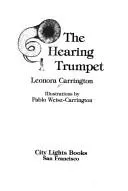
Marian Leatherby receives a hearing trumpet and discovers that her family intends to send her to a home for elderly women. From that simple betrayal, Carrington builds an institution as bizarrely rule-bound as Ishiguro’s city: everyone treats the preposterous as administratively normal, while menace and comedy remain impossible to separate.
Carrington, a major Surrealist artist, writes with startling clarity rather than decorative weirdness. Like The Unconsoled, the novel keeps expanding its reality without pausing to explain the new dimensions. Its cult following is deserved: few books are this funny, free, and genuinely unpredictable. Read it for the rare exhilaration of watching social captivity become imaginative liberation.
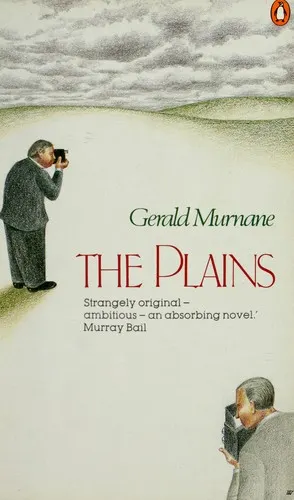
An unnamed filmmaker travels inland to seek a wealthy patron for an ambitious project about the plains. His meetings, theories, and preparations become more consuming than any film he might actually make. Murnane turns artistic purpose into a labyrinth of sponsorship, interpretation, delay, and self-deception—the very territory Ryder wanders in The Unconsoled.
The kinship is especially strong in the atmosphere: formal conversations feel charged with invisible consequences, geography becomes psychological, and grand cultural claims hover between profundity and deadpan joke. Murnane is revered by writers worldwide, and this short, hypnotic novel is the clearest entrance into his singular body of work. It feels like a landscape painting that quietly begins thinking about its observer.
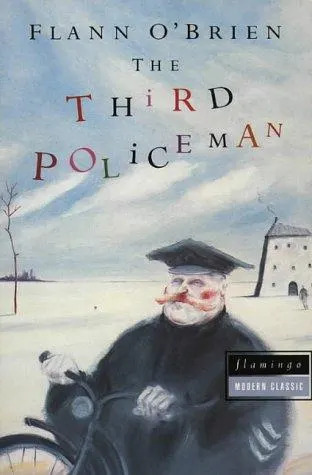
O’Brien’s narrator is a scholar obsessed with an eccentric philosopher and implicated, almost casually, in a terrible crime. When he enters the orbit of two policemen, ordinary logic gives way to an impeccably reasoned nightmare. Questions receive answers that make everything less comprehensible; conversations become traps; physical space obeys the emotional logic of panic.
Anyone who loved Ryder’s endlessly displaced appointments will recognize the sensation of being hurried through a world whose rules everyone else apparently understands. But O’Brien is sharper, faster, and more openly hilarious, with metaphysical speculation delivered in the tone of bureaucratic fact. Neglected when written and now firmly established as a comic masterpiece, The Third Policeman is one of the few novels whose strangeness remains undiminished after generations of devoted readers have tried to describe it.