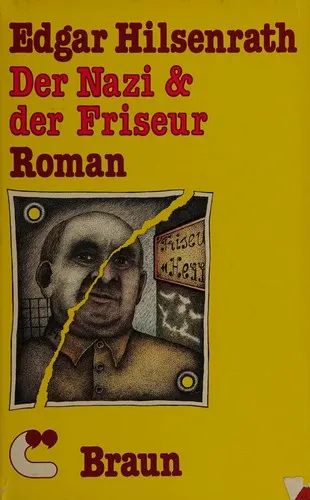
Books like The Nazi and the Barber
What happens to moral judgment when a mass murderer takes the microphone—and becomes appallingly entertaining? These novels share Hilsenrath’s faith in grotesque comedy, compromised narrators, and laughter that leaves a moral bruise.
If you liked The Nazi and the Barber, you’ll love these
Not lookalikes — kindred books. Each one shares something essential with The Nazi and the Barber, and we tell you exactly what.
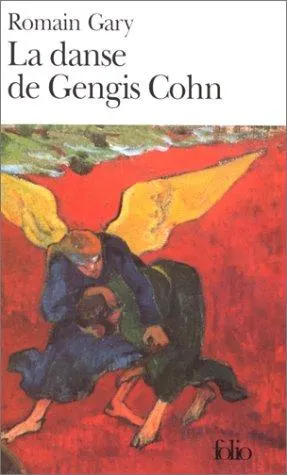
An ex-Gestapo officer is haunted by Genghis Cohn, the Jewish comedian he murdered—a dybbuk who heckles him from inside his own consciousness. Gary makes guilt into an obscene double act: executioner and victim fight over the same voice, just as Max Schulz’s stolen identity makes perpetrator and victim grotesquely inseparable.
Gary, uniquely a twice-over Prix Goncourt winner under different names, had a rare gift for turning moral seriousness into anarchic entertainment. This is among his boldest performances: bawdy, furious, deliberately tasteless, and possessed by the conviction that polite realism is inadequate to barbarism.
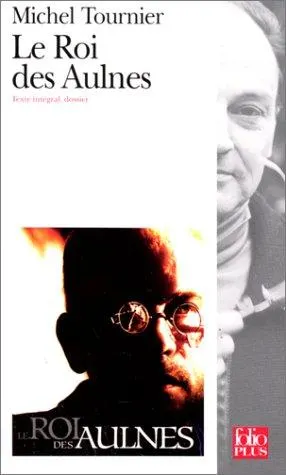
Abel Tiffauges records his appetites and private mythology with the serene confidence of a man who cannot see what the reader sees. That gap between self-portrait and moral reality will feel immediately familiar to a Hilsenrath admirer. Tournier shows how vanity, fantasy, and aesthetic rapture can make monstrosity feel like destiny to the monster himself.
Winner of the Prix Goncourt, The Erl-King is baroque rather than slapstick: a feverish modern myth packed with symbols, bodily grotesquerie, and seductive prose. Like Hilsenrath, Tournier risks entering a corrupted imagination instead of reassuringly condemning it from outside—and the result is much harder to shake.
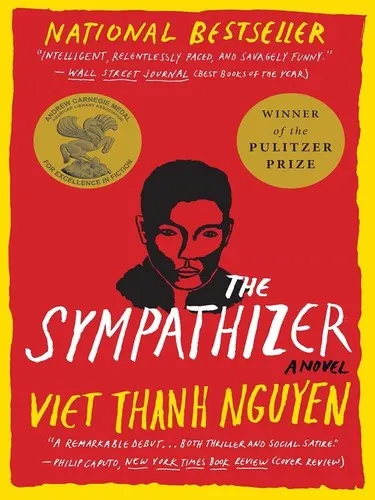
Nguyen’s narrator introduces himself as a man of divided loyalties: a communist agent embedded among defeated South Vietnamese officers. His confession is urbane, hilarious, self-accusing, and perpetually unstable. As in The Nazi and the Barber, identity is not an inner truth but a dangerous performance, and political language becomes a tool for disguising brutality—even from oneself.
This Pulitzer-winning debut has the propulsion of a spy novel but the intelligence of a ruthless satire. Nguyen’s jokes do not relieve the horror; they reveal the evasions and hypocrisies surrounding it. Anyone exhilarated by Hilsenrath’s ability to make a morally compromised voice both repellent and irresistible should not miss it.