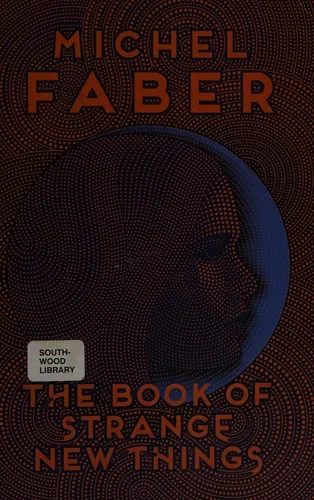
Books like The Book of Strange New Things
Michel Faber makes interstellar distance feel most painfully real in a marriage’s delayed messages: the alien world is astonishing, but the silences between Peter and Bea are devastating.
If you liked The Book of Strange New Things, you’ll love these
Not lookalikes — kindred books. Each one shares something essential with The Book of Strange New Things, and we tell you exactly what.

Like Faber, Robinson treats religious belief neither as a delusion to expose nor a certainty to endorse, but as a demanding way of loving imperfect people. An elderly minister writes to the young son he will not live to see grow up, turning family memories, old grievances, and ordinary moments into questions about grace.
Winner of the Pulitzer Prize and beloved for its luminous calm, Gilead shares Faber’s gift for making theology intimate. Its quietness accumulates extraordinary emotional force: by the end, a blessing can feel as consequential as the discovery of a new world.
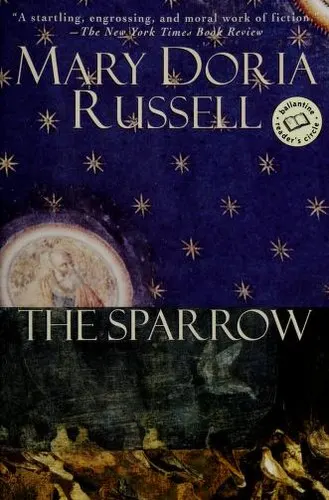
A Jesuit expedition sets out after music is detected from another planet; the novel opens years later with one priest returning alive, physically and spiritually shattered. That structure gives every early scene of curiosity, fellowship, and hope a gathering undertow.
The kinship with Faber lies deeper than missionaries in space. Russell asks what happens when sincere faith meets radical incomprehension—when good intentions cannot guarantee goodness, and apparent providence may be only human pattern-making. The Arthur C. Clarke Award-winning novel is gripping, intellectually fearless, and emotionally ferocious; readers often remember Emilio Sandoz less as a science-fiction protagonist than as someone whose crisis of faith became painfully personal to them.

Ishiguro’s characters live inside an unsettling system whose full nature they approach indirectly, through euphemism, routine, and what no one quite says. That will feel familiar to anyone chilled by the bland corporate language surrounding Peter’s mission. Yet the novel’s real subject is intimate: how affection survives when people cannot protect one another from the world arranged around them.
Booker-shortlisted and now regarded as one of Ishiguro’s defining novels, Never Let Me Go has Faber’s devastating restraint. It refuses melodrama, allowing remembered gestures, minor jealousies, and missed chances to carry the weight of catastrophe. Its final pages hurt because Ishiguro, like Faber, understands that the end of a world is most moving when measured by two people trying—and failing—to close the distance between them.