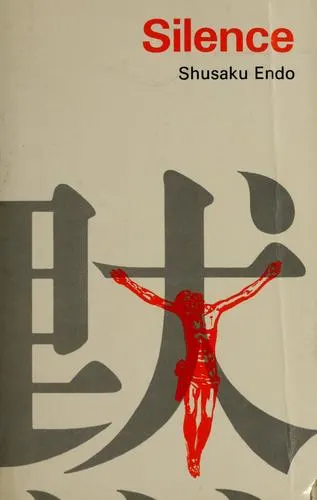
Books like Silence
Readers return to Silence because its hardest questions never stay answered: with time, betrayal can begin to resemble mercy, courage can look like pride, and God’s absence can feel newly terrifying—or intimate. These three novels sustain that same moral and spiritual pressure without offering easy consolation.
If you liked Silence, you’ll love these
Not lookalikes — kindred books. Each one shares something essential with Silence, and we tell you exactly what.
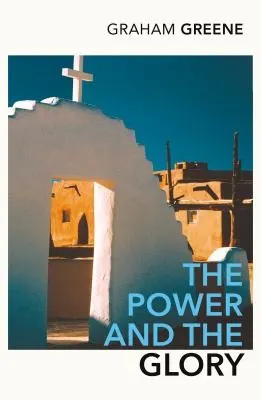
In a Mexican state where the Church has been outlawed, a hunted priest moves secretly among people who need him. He is frightened, alcoholic, and painfully conscious that he falls short of the martyr he is expected to become.
Greene’s masterpiece shares Endō’s refusal to equate holiness with spotless heroism. Every compromised choice raises the question at the heart of Silence: is preserving the faith more important than relieving immediate suffering? Greene makes doctrine visceral—hunger, pursuit, shame, and an unwanted duty to others—and finds grace in places respectable believers might reject. Few novels are so suspenseful while examining whether human weakness can itself become a vessel of faith.
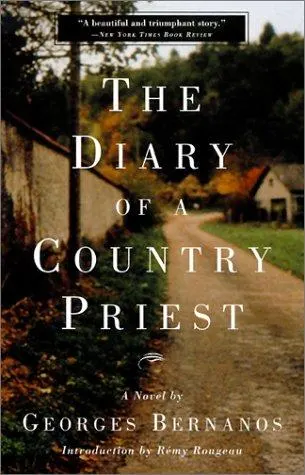
Bernanos trades Endō’s public persecution for a quieter ordeal: an inexperienced, sickly priest arrives in a French parish whose indifference steadily erodes him. His diary records failed conversations, humiliations, self-doubt, and the fear that he has nothing spiritually useful to give.
Winner of the Grand Prix du roman de l’Académie française and long regarded as a summit of the Catholic novel, it captures the desolation of serving a God who offers no reassuring reply. Yet Bernanos can make a seemingly fruitless encounter flare with moral consequence. If Silence moved you by asking whether failure may conceal a form of fidelity, this austere, compassionate novel is indispensable.
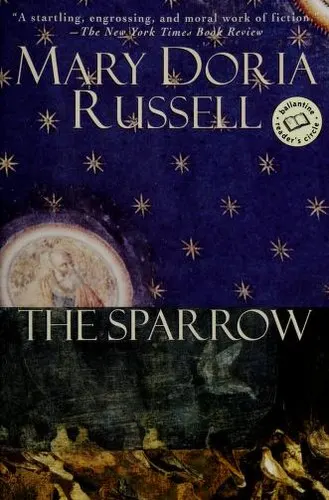
Russell begins with a Jesuit linguist returning alone and shattered from humanity’s first mission to another inhabited world. The expedition began in exhilaration: music had been detected across space, and its improbable discovery seemed to the priest like evidence of providence.
What follows is a fiercely intelligent test of that interpretation. Russell shows how love, expertise, cultural misunderstanding, and sincere religious confidence can combine disastrously—then asks what remains of faith when a believer feels not merely abandoned by God but betrayed by Him. The novel has inspired unusually devoted readers because its theological questions emerge from unforgettable characters rather than abstraction. Like Silence, it leaves the accusation against God unanswered, but impossible to dismiss.