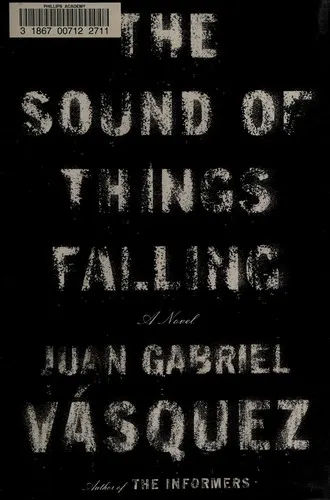
Books like The Sound of Things Falling
How does a nation’s terror go on living inside people who thought they had survived it? These novels answer through memory, guilt, chance encounters, and the intimate afterlife of public violence.
If you liked The Sound of Things Falling, you’ll love these
Not lookalikes — kindred books. Each one shares something essential with The Sound of Things Falling, and we tell you exactly what.
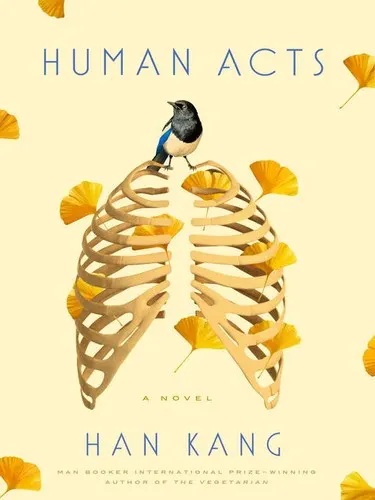
Han Kang begins amid the bodies of the 1980 Gwangju uprising, then lets its consequences reverberate through a succession of lives and voices. Like Vásquez, she understands history not as background but as something that alters gestures, families, language, and even the experience of having a body.
One of the defining novels by the 2024 Nobel laureate, Human Acts is harrowing without exploiting suffering and lyrical without beautifying it. Its accumulating voices create the same terrible recognition as The Sound of Things Falling: violence never ends where official accounts say it does.
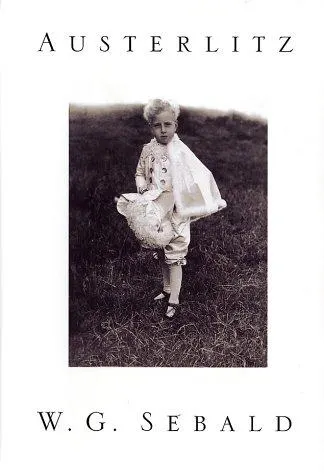
A chance meeting in Antwerp railway station draws Sebald’s narrator toward Jacques Austerlitz, an architectural historian whose mesmerizing stories seem to circle an unnamed absence. Stations, fortresses, waiting rooms, photographs, and stray recollections become evidence in a mystery lodged inside memory itself.
Readers who loved Vásquez’s patient inquiry into another man’s past will recognize the hypnotic pull, but Sebald’s long, drifting sentences produce a singular atmosphere: part investigation, part elegy, part waking dream. Winner of the National Book Critics Circle Award and widely considered Sebald’s masterpiece, Austerlitz makes historical knowledge feel like a discovery that changes the discoverer.
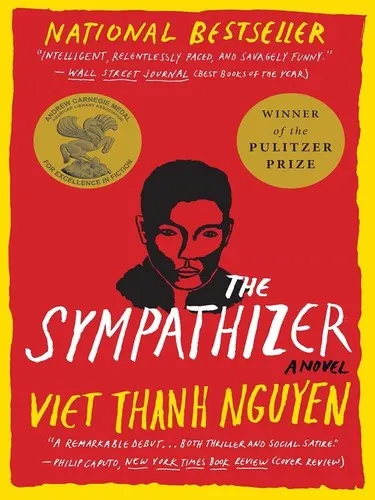
Nguyen’s narrator introduces himself as a man of divided loyalties: a communist agent embedded in the collapsing South Vietnamese regime. His confession turns political history into a fiercely personal argument about complicity, self-deception, and who gets to shape the story afterward.
Where Vásquez is hushed and mournful, Nguyen is sardonic, intellectually combative, and often savagely funny. Yet both novels expose the unstable border between witness and participant, and both understand that surviving history can leave a person morally stranded. The Sympathizer earned its Pulitzer through more than topical importance: its voice is so audacious and alive that it permanently unsettles familiar narratives of war and exile.