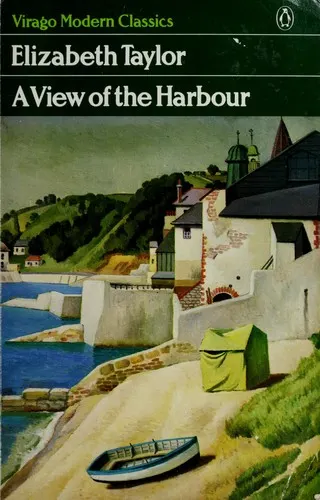
Books like A View of the Harbour
Crosscurrents. Elizabeth Taylor’s harbour matters less as scenery than as a way of showing private longings colliding within a small community. These novels share her wit, shifting sympathies, and refusal to divide the lonely from the ridiculous.
If you liked A View of the Harbour, you’ll love these
Not lookalikes — kindred books. Each one shares something essential with A View of the Harbour, and we tell you exactly what.
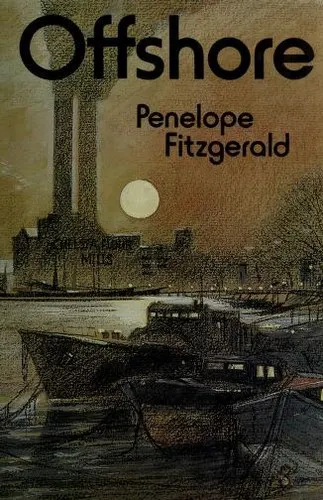
The houseboats on Battersea Reach provide an obvious echo, but the deeper kinship lies in Fitzgerald’s mobile, forgiving attention. She moves among ill-suited dreamers—a woman hoping to repair her marriage, a painter, families living at the edge of solvency—letting each person appear foolish in one scene and painfully vulnerable in the next.
Like Taylor, Fitzgerald can compress an entire disappointment into a practical detail or a line of dialogue. Offshore is shorter and more precarious than A View of the Harbour, but it has the same mingling of comedy, domestic disorder, and submerged desperation. Its 1979 Booker Prize was sometimes treated as a surprise; its growing reputation has vindicated the judges. Few novels contain so much life in so little space.
Taylor’s gift for noticing who is excluded from a room—and how pride disguises the hurt—finds a devastating counterpart here. Pym follows four ageing office colleagues whose routines look faintly comic until their small evasions and tentative approaches to one another reveal what is at stake: the possibility of passing through life almost unseen.
The humour is dry, exact, and never merely cosy. A lunch, an unsuitable purchase, or a strained exchange can expose a whole architecture of loneliness. Booker-shortlisted in 1977, Quartet in Autumn marked Pym’s triumphant return after years of rejection. It is harsher than her earlier comedies and all the better for it: a quiet novel that leaves an unexpectedly deep bruise.
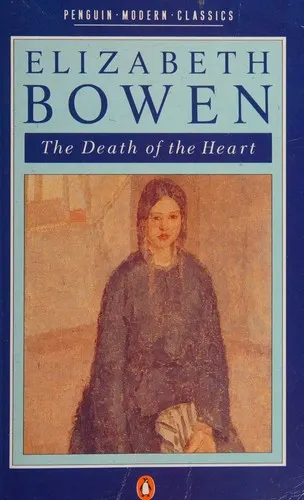
Read this for the part of Taylor that understands how adults betray children without quite admitting it to themselves. Bowen’s Portia, newly orphaned and sent to live with her polished half-brother and his wife, watches a household whose manners conceal boredom, resentment, and emotional bad faith. Her presence unsettles everyone because innocence, in Bowen’s world, is not passive: it notices.
Bowen’s prose is more baroque than Taylor’s, but the two novelists share a ruthless sensitivity to glances, silences, rooms, and the stories people invent about one another. Widely regarded as one of Bowen’s masterpieces, The Death of the Heart turns social observation into suspense. Anyone captivated by Taylor’s children, compromised marriages, and competing points of view should not miss it.