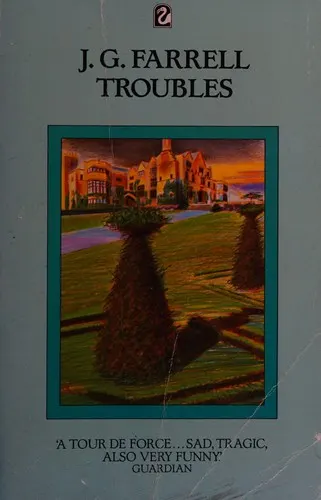
Books like Troubles
How can the collapse of an entire social order be so ludicrous—and still leave such a bruise? These novels answer with the same rare mixture of comedy, decay, historical pressure, and compassion.
If you liked Troubles, you’ll love these
Not lookalikes — kindred books. Each one shares something essential with Troubles, and we tell you exactly what.
Aroon St Charles narrates the decline of her Anglo-Irish family with magnificent confidence and almost no understanding of what she reveals. Every genteel phrase conceals neglect, humiliation, or desperation; like Farrell, Keane makes manners funniest when they are least capable of containing reality.
Shortlisted for the Booker Prize, this late-career triumph is now regarded as Keane’s masterpiece. Its comedy is colder and more intimate than that of Troubles, but its shabby grandeur and ruthless control are irresistible. Once you have heard Aroon’s voice, you will wonder how you ever did without it.
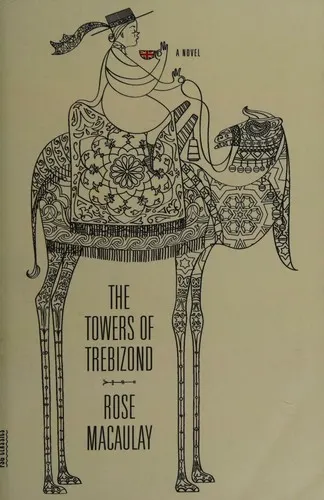
Macaulay begins with an Englishwoman’s Aunt Dot setting off through Turkey with a camel, an Anglican clergyman, and plans for emancipating local women. The resulting comedy is gloriously dry: imperial assumptions, religious quarrels, travel mishaps, and British eccentricity accumulate with Farrell-like precision.
But beneath the absurdity lies a piercing novel about belief, guilt, and the stories clever people tell to avoid judging themselves. Winner of the James Tait Black Memorial Prize, it has inspired unusually devoted readers because its comic surface keeps opening onto unexpected depths. Few novels are simultaneously this airy, strange, and spiritually serious.
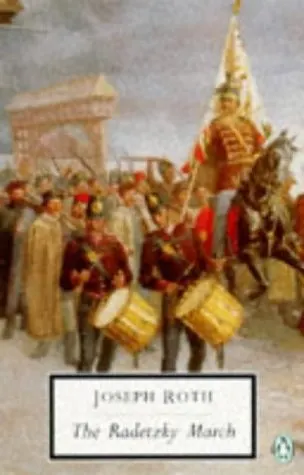
Roth’s great novel opens with an accidental act of heroism that binds the Trotta family to Emperor Franz Joseph and the Habsburg state. From there, uniforms, ceremonies, military postings, and official legends acquire the melancholy absurdity of rituals being performed after their meaning has begun to drain away.
Where Farrell stages imperial decline as luxuriant farce, Roth gives it the rhythm of an elegy—yet his irony is just as exact, especially about bureaucratic dignity and inherited loyalty. Widely considered one of the defining European novels of the twentieth century, The Radetzky March makes a dying empire feel both ridiculous and intimately human. Missing it would mean missing one of the supreme artistic treatments of the world Troubles so brilliantly inhabits.