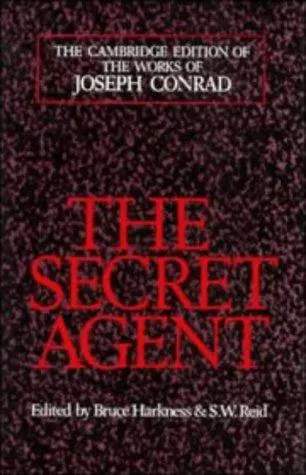
Books like The Secret Agent
In each of these novels, a lit fuse runs beneath drawing rooms, love affairs, and respectable conversation; when it reaches the powder, the political and the private prove to have been one disaster all along.
If you liked The Secret Agent, you’ll love these
Not lookalikes — kindred books. Each one shares something essential with The Secret Agent, and we tell you exactly what.

No novel more ferociously exposes the grubby human appetites hiding inside exalted political rhetoric. A provincial circle of radicals talks of liberation, but Dostoevsky hears vanity, resentment, boredom, and the desire to dominate. Like Conrad, he makes conspiracy both frightening and grotesquely comic.
The scale is larger and the temperature more feverish than in The Secret Agent, yet the kinship is unmistakable: ideology becomes lethal through weak, ridiculous, painfully recognizable people. Camus admired the book enough to adapt it for the stage, and its portrait of political possession has only grown more unnerving. Missing Demons means missing one of the great sources of the modern political novel.
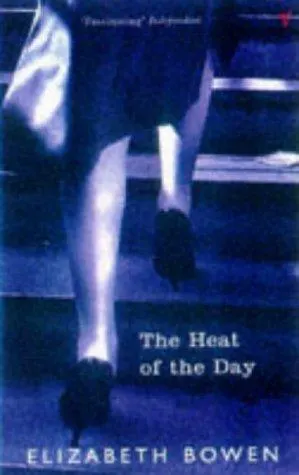
Bowen’s wartime London is a city of blacked-out streets, damaged houses, overheard conversations, and loyalties that cannot be examined without changing them. Stella Rodney is told that the man she loves may be passing secrets to the enemy; the accusation turns intimacy itself into a form of surveillance.
A reader who admired how Conrad lets espionage seep into marriage and family life will recognize Bowen’s special cruelty. Her suspense comes less from pursuit than from pauses, evasions, and the terrible ambiguity of another person’s motives. Widely regarded as one of Bowen’s masterpieces, The Heat of the Day transforms the spy novel into a subtle, haunting inquiry into what love can know—and what it chooses not to know.
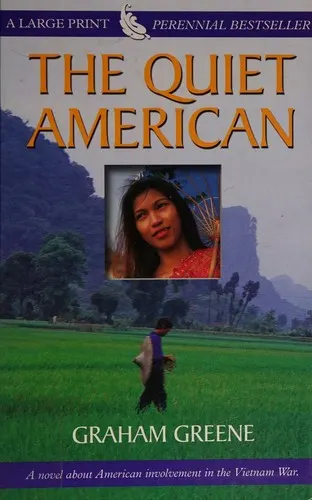
Greene begins with a death and then dismantles the comforting distinction between private jealousy and public catastrophe. In 1950s Vietnam, the weary British journalist Fowler watches an earnest young American arrive armed with political theories, good intentions, and a disastrous confidence in both.
What will delight a Conrad reader is Greene’s cold precision about innocence: it is not the opposite of guilt but often its most efficient disguise. The prose is lucid, the triangle of affection painfully convincing, and the political argument never becomes abstract because every belief exacts a human price. Often counted among Greene’s finest novels, The Quiet American is short enough to devour and morally complicated enough to remain lodged in the mind for years.