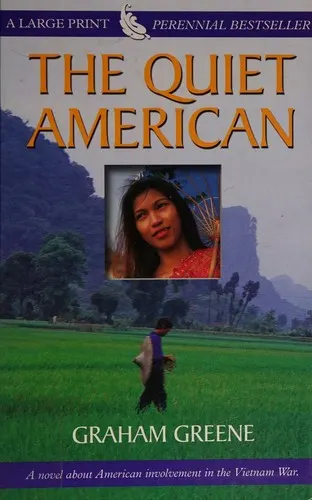
Books like The Quiet American
Begin far from Greene’s Saigon, with an English country-house tragedy: Ford Madox Ford’s The Good Soldier. Its true kinship with The Quiet American lies in the unnerving pleasure of listening to a civilized, apparently reasonable narrator reveal how little he understands—including about himself. The other two recommendations extend Greene’s political vision: one into imperial allegory, the other into a fierce Vietnamese-American rejoinder.
If you liked The Quiet American, you’ll love these
Not lookalikes — kindred books. Each one shares something essential with The Quiet American, and we tell you exactly what.
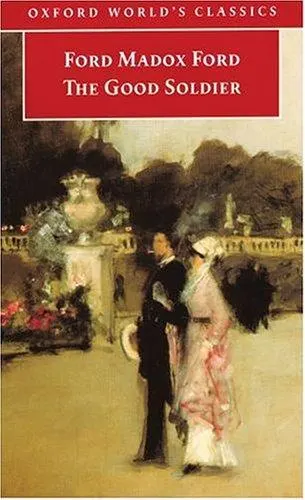
Ford’s celebrated “saddest story” concerns two affluent couples and the ruin concealed beneath their polished friendship. Like Fowler, narrator John Dowell presents himself as the sensible observer rather than the agent of disaster; the novel’s fascination comes from watching his hesitations, revisions, and evasions expose a far less innocent man.
The prose is intimate, conversational, and exquisitely controlled. Every apparent digression alters the moral balance, so judgment keeps slipping away just as it does in Greene. Readers who loved The Quiet American for its self-deceiving narrator and the poisonous mixture of love, pity, possession, and betrayal will find Ford’s modernist classic indispensable.
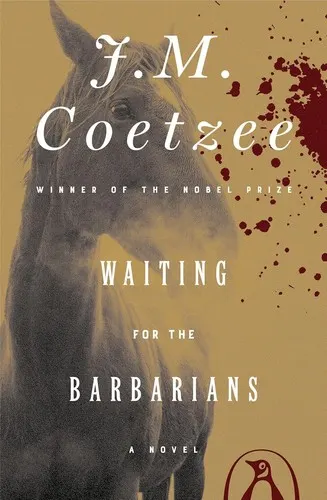
At a remote imperial outpost, an aging magistrate has built a comfortable life by not looking too closely at the violence supporting it. Then officials arrive from the capital, armed with certainty about an approaching enemy. Coetzee turns that confrontation into a devastating inquiry into the difference between decency and mere passivity.
This has Greene’s gift for making political guilt bodily and personal: public brutality enters private desire, while the narrator’s humane instincts remain tangled with vanity and appetite. Coetzee’s stark, lucid sentences give the novel the force of a parable without simplifying anyone. It is among the defining works of a Nobel laureate, and its portrait of an empire manufacturing the threat it claims to resist has only grown more urgent.
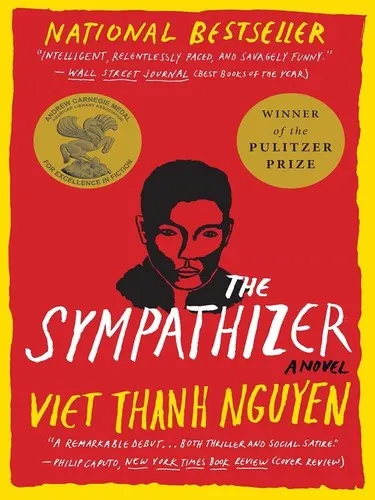
Nguyen’s Pulitzer Prize-winning debut feels like both a descendant of The Quiet American and a brilliant argument with it. Its unnamed narrator, a communist double agent, can inhabit opposing loyalties at once; his intelligence makes him perceptive about everyone’s hypocrisies except, sometimes, his own.
Where Greene coolly dissects American innocence, Nguyen gives the supposedly observed Vietnamese subject control of the story—and a voice that is exuberant, sardonic, erudite, and dangerously funny. Yet this is no corrective footnote: it has its own formidable architecture of confession, divided identity, political faith, and moral compromise. Reading it after Greene transforms both novels; skipping it means missing one of contemporary fiction’s most electrifying examinations of the harm done by people certain they are saving others.