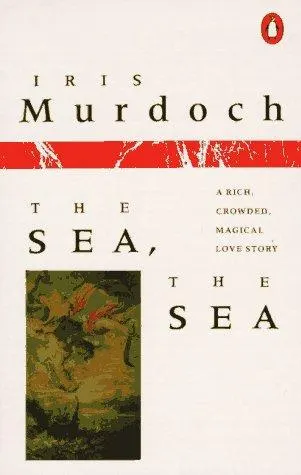
Books like The Sea, the Sea
A polished mirror stands before each of these narrators; then a crack crosses the glass, turning charm into evidence and love into a claim of ownership.
If you liked The Sea, the Sea, you’ll love these
Not lookalikes — kindred books. Each one shares something essential with The Sea, the Sea, and we tell you exactly what.
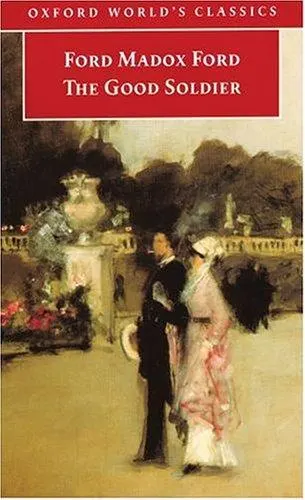
If Charles Arrowby’s memoir fascinated you because every confident sentence quietly exposes him, meet John Dowell. He begins with two affluent couples and an insistence that theirs is “the saddest story,” then circles compulsively through the past, revising judgments and betraying blind spots he cannot recognize.
Ford’s 1915 masterpiece helped establish the unreliable narrator as one of the modern novel’s great instruments. Like Murdoch, he makes self-deception both horribly funny and morally consequential: the drama lies not only in what happened, but in the evasive shape a mind gives it. Few novels reward rereading so completely.
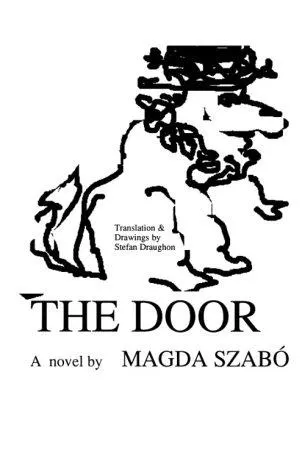
Murdoch’s deepest subject is often the violence hidden inside apparently loving attention. The Door pursues that idea through the relationship between a successful writer and Emerence, the formidable housekeeper she hires. Affection, dependence, pride and power become so entangled that every kindness carries a possible trespass.
Szabó writes with the pressure of confession: from the opening, the narrator knows she has failed Emerence, yet understanding the failure proves far harder than admitting it. Long revered in Hungary, this masterpiece found an equally devoted international readership through Len Rix’s translation. Its final moral force is overwhelming—not because it offers an easy verdict, but because it makes intimacy itself feel like a test few of us would pass.
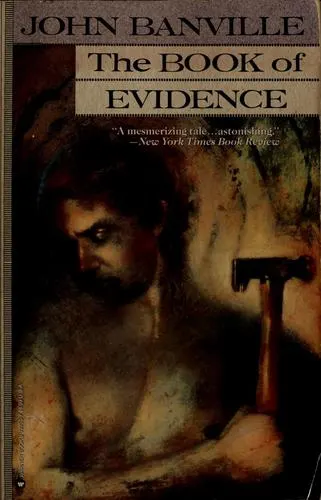
Freddie Montgomery, composing his account after a crime, possesses Arrowby’s most dangerous gift: he can make monstrous vanity sound cultivated, amusing and almost reasonable. His sensibility is exquisitely tuned to paintings, rooms, weather and language—and disastrously untuned to the reality of other people.
Banville’s Booker-shortlisted novel is darker and more concentrated than Murdoch’s, but it offers the same queasy pleasure of being seduced by prose you know you should distrust. Its sentences glitter while the narrator’s aesthetic refinements become a form of moral camouflage. To miss it is to miss one of fiction’s most brilliantly sustained collisions between beauty and culpability.