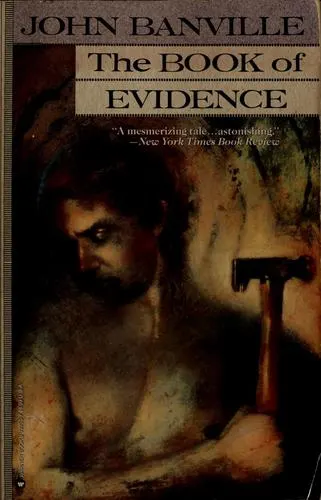
Books like The Book of Evidence
You were captivated not simply by Freddie Montgomery’s crime, but by the unnerving pleasure of hearing a cultivated intelligence turn confession into art, evasion, and self-invention. These three novels make language itself part of the moral danger.
If you liked The Book of Evidence, you’ll love these
Not lookalikes — kindred books. Each one shares something essential with The Book of Evidence, and we tell you exactly what.
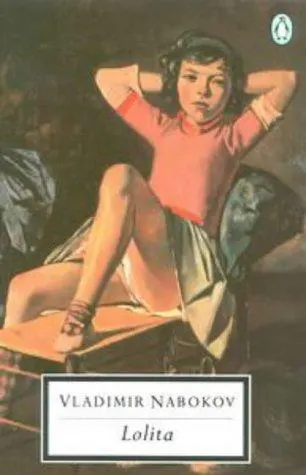
Nabokov offers the supreme example of gorgeous prose placed in the service of a monstrous narrator. Humbert Humbert addresses the reader with wit, learning, lyricism, and endless rhetorical ingenuity, trying to transform appetite and abuse into tragic romance.
Like Banville, Nabokov makes your aesthetic pleasure morally compromising: you admire the sentence while resisting the consciousness that produced it. Few twentieth-century novels have inspired such fierce argument or exerted such influence over the art of unreliable narration. If Freddie’s verbal brilliance both seduced and repelled you, Humbert’s performance is essential reading.
In an Amsterdam bar, a former Parisian lawyer begins talking to a stranger. His urbane monologue gradually becomes confession, courtroom speech, philosophical trap, and indictment—not only of himself but of the person listening.
What connects Camus’s short, devastating novel to The Book of Evidence is the way self-accusation can conceal vanity. Its narrator appears ruthlessly candid, yet every admission is also an attempt to control the verdict. The Fall is one of the great novels of guilt and bad faith: compressed, elegant, darkly funny, and constructed so cunningly that its final implications seem to close around the reader.
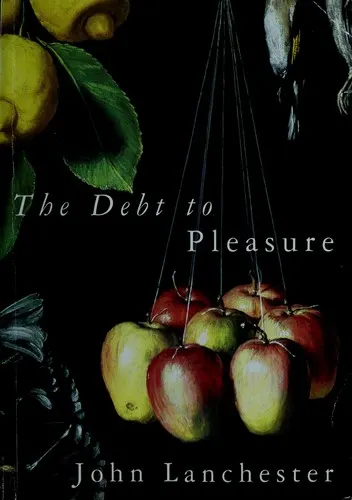
Tarquin Winot presents his story as a cultivated culinary memoir, seasoning it with recipes, travel observations, aesthetic judgments, and magnificently poisonous opinions. Almost immediately, however, his refinement begins to look like something more sinister: taste is not merely his pleasure but his alibi and weapon.
Lanchester’s Whitbread-winning debut shares Banville’s delight in the cultivated monster, but its comedy is broader and its structure mischievously intricate. Tarquin’s fastidious voice makes every digression entertaining while quietly revealing the violence hidden inside connoisseurship. It is the rare literary thriller whose sentences are as pleasurable as its design—and whose narrator becomes more alarming the more charmingly he explains himself.