
Books like The Round House
Montana 1948 tightens a crisis of law and loyalty around one boy’s family; A Gathering of Old Men lets an entire community answer injustice together. LaRose, meanwhile, returns to Erdrich’s own moral terrain and asks whether restitution can ever equal loss.
If you liked The Round House, you’ll love these
Not lookalikes — kindred books. Each one shares something essential with The Round House, and we tell you exactly what.
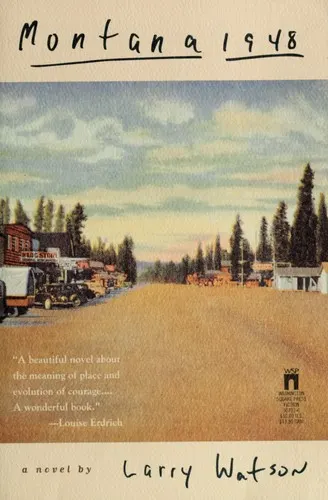
Like The Round House, this is a coming-of-age story in which sexual violence exposes the distance between official authority and actual justice. Twelve-year-old David Hayden watches accusations against his powerful uncle force his sheriff father to choose between family loyalty and the law. Watson makes that conflict intimate and devastating: every adult decision alters the boy’s understanding of decency.
Winner of the Milkweed National Fiction Prize, this short, beautifully controlled novel has become a modern American classic. Readers who admired Joe’s alert, retrospective voice—and Erdrich’s refusal to offer easy moral innocence—will find the same quiet, irreversible pressure here.
A white man lies dead on a Louisiana plantation, and a group of elderly Black men arrive carrying shotguns, each prepared to claim responsibility. From that superb opening, Gaines turns a murder inquiry into an act of collective resistance.
What connects it to The Round House is not simply a crime but the deeper question of who gets protected by the law, who is presumed guilty, and what people do when institutions have failed them for generations. Its many voices bring humor, pride, fear, grievance, and courage into the same charged space. Gaines gives people long treated as powerless the grandeur of choosing how they will be seen; the result is suspenseful, humane, and exhilarating.
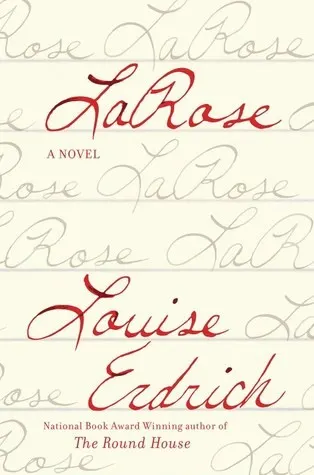
If The Round House left you wanting another Erdrich novel in which justice must be invented because punishment is inadequate, LaRose is essential. After Landreaux Iron accidentally kills his neighbor’s young son, he follows an old Ojibwe form of restitution and gives the grieving family his own son, LaRose.
That premise opens into an extraordinarily rich study of guilt, kinship, historical injury, and the burdens adults place on children. Erdrich again moves effortlessly between anguish and comedy, individual conscience and tribal memory; even seemingly minor characters acquire full moral lives. Winner of the National Book Critics Circle Award, LaRose is among her most admired novels—and perhaps her most profound exploration of whether love can repair what justice cannot.