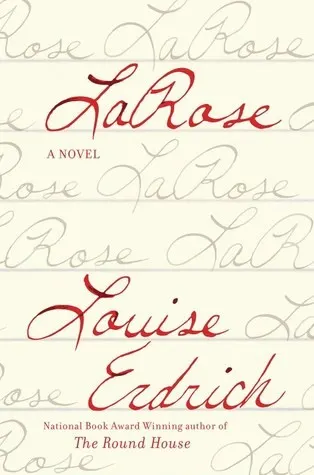
Books like LaRose
What can anyone offer in return for a loss that can never be repaired? These novels, like LaRose, refuse easy absolution while asking how families might carry guilt, history, and one another.
If you liked LaRose, you’ll love these
Not lookalikes — kindred books. Each one shares something essential with LaRose, and we tell you exactly what.
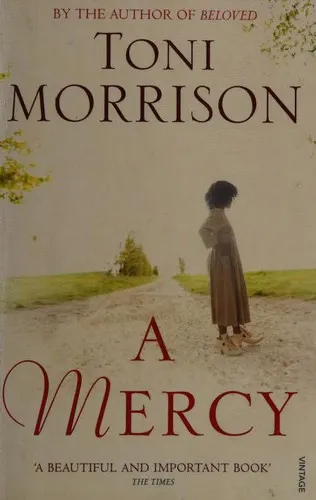
At the novel’s outset, an enslaved mother urges a creditor to take her young daughter Florens—a sacrifice that may be mercy, abandonment, or both. That irresolvable act has the same moral force as the gift at the center of LaRose: love makes a devastating choice, and the child must live inside meanings the adults cannot control.
Morrison lets each member of a fragile seventeenth-century household speak, revealing how private wounds are shaped by the emerging machinery of race and ownership. Brief, polyphonic, and extraordinarily concentrated, A Mercy is one of her great late novels: every rereading changes the moral weight of its opening choice.
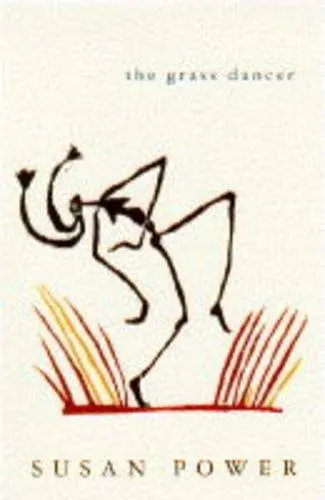
If you loved how Erdrich makes an entire Native community—not one protagonist—the bearer of memory, read Susan Power’s celebrated debut. Its interlocking voices move among generations of Dakota families, where courtship, jealousy, medicine, grief, and old rivalries keep changing shape as different people tell them.
Power’s supernatural is neither decorative nor explained away; the dead and the living inhabit the same moral world. Yet the book is also mischievous, sensual, and alive with personality, preserving the tonal mixture that makes LaRose so rich. Winner of the PEN/Hemingway Award, The Grass Dancer has become a quietly enduring touchstone of Native American fiction.
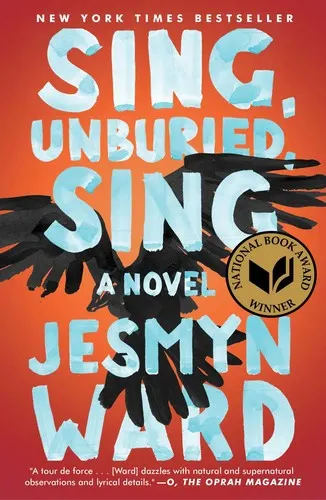
Thirteen-year-old Jojo is already learning to endure the failures of adults when his mother takes him and his little sister across Mississippi to collect their father from prison. Ward gives childhood perception the same gravity Erdrich does: children absorb family damage without fully understanding it, and their tenderness becomes a form of moral intelligence.
The novel’s ghosts are history demanding acknowledgment, not escape from realism. Ward writes bodily hardship, compromised parenthood, and inherited violence with lyrical intensity but without simplifying anyone into victim or villain. Its 2017 National Book Award confirmed what the novel’s many devoted readers felt immediately: this is a haunting family story with the authority of modern myth.