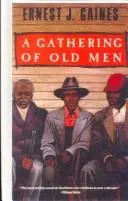
Books like A Gathering of Old Men
Tense with old violence yet alive with wit, argument, and hard-won solidarity, these novels turn many individual voices into a community demanding to be heard.
If you liked A Gathering of Old Men, you’ll love these
Not lookalikes — kindred books. Each one shares something essential with A Gathering of Old Men, and we tell you exactly what.
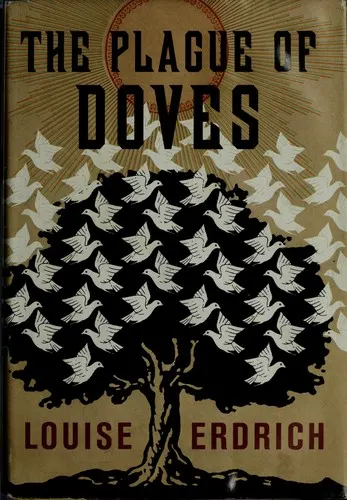
Erdrich, like Gaines, refuses to let one narrator own the truth. An old, unresolved murder reverberates through a North Dakota town and the neighboring Ojibwe reservation, its meaning changing as descendants, lovers, eccentrics, and reluctant witnesses speak. Justice emerges not as a clean verdict but as a struggle among memory, loyalty, prejudice, and accident.
This Pulitzer finalist has Gaines’s remarkable balance of gravity and mischief: people wounded by history remain funny, desirous, vain, and gloriously unpredictable. Its interlocking voices gradually reveal an entire moral landscape. If the communal storytelling of A Gathering of Old Men was central to its power for you, Erdrich’s novel is indispensable.
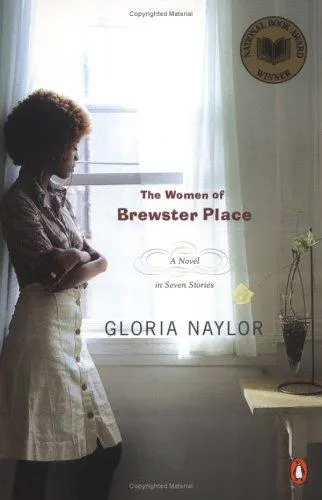
Brewster Place is a dead-end urban block, but Naylor makes it feel as populous and intimate as Gaines’s plantation community. Seven Black women take turns occupying the center of the book; each has her own cadence, private injuries, compromises, and forms of endurance. As their stories accumulate, the neighborhood itself becomes the protagonist.
Winner of the National Book Award for First Novel, Naylor’s debut is cherished for the same thing Gaines does so well: it grants people commonly reduced to social types the full weight of tragedy, appetite, humor, and contradiction. Its solidarity is never sentimental—it must be built across resentment and difference. The result is compact, lyrical, and devastating, a modern classic of collective voice.
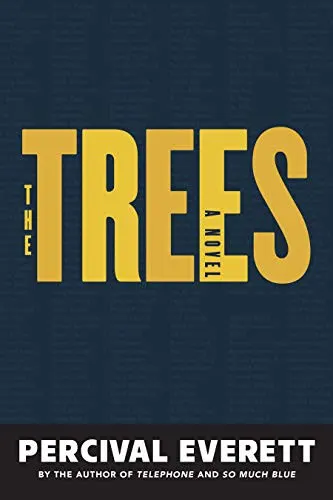
Everett begins with grotesque murders in Money, Mississippi, then sends two Black detectives into a case that grows stranger by the hour. The book moves with the snap of a crime novel and the audacity of a tall tale, using savage comedy to expose the absurd evasions that allow racial terror to pass from public crime into sanitized history.
A Booker Prize finalist, The Trees shares Gaines’s conviction that the dead cannot simply be filed away and that a community’s long submission can reach a breaking point. But Everett’s method is fiercer and more surreal: laughter catches in the throat as the novel widens its indictment. Readers drawn to Gaines’s mixture of suspense, humor, moral reckoning, and accumulated defiance should not miss this electrifying act of literary confrontation.