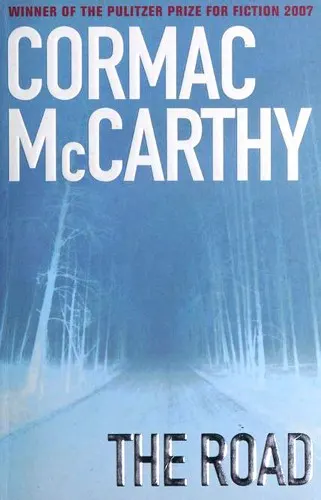
Books like The Road
…because the devastation is only half of what matters: the deeper power lies in the tenderness, moral pressure, and elemental language that survive it.
If you liked The Road, you’ll love these
Not lookalikes — kindred books. Each one shares something essential with The Road, and we tell you exactly what.
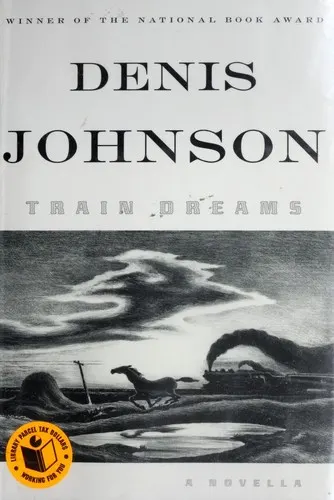
Robert Grainier, an ordinary laborer in the American West, moves through a life marked by harsh work, bewildering loss, and a world changing faster than he can understand. Johnson compresses decades into a short novel whose sentences feel weathered, strange, and inevitable.
Like The Road, this Pulitzer finalist finds grandeur without grandiosity. It treats loneliness as a physical landscape and small acts of care as nearly sacred. Grainier’s life is not conventionally heroic, yet Johnson makes it seem as mysterious and consequential as scripture. Few novels this brief leave behind such an immense silence.
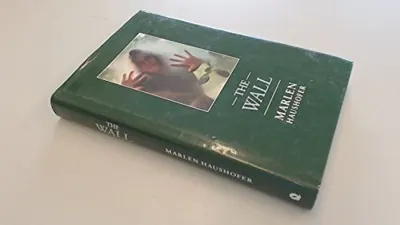
An unnamed woman wakes in an Alpine hunting lodge to discover an invisible barrier separating her from the rest of the world. What follows is less an adventure than an exacting record of survival: tending animals, storing food, watching the seasons, and learning what remains when society disappears.
Haushofer understands, as McCarthy does, that survival becomes meaningful through responsibility. The woman’s care for the creatures dependent on her gives the novel its emotional gravity, while the calm, lucid narration makes every practical detail feel morally charged. Long neglected, this 1963 Austrian novel has become an international cult classic and a landmark of ecological and feminist fiction. Its quietness is not reassuring; it is devastating.
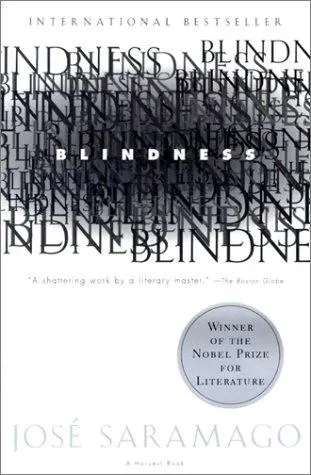
When an epidemic of sudden white blindness spreads through an unnamed city, the first victims are confined together under brutal conditions. One woman can still see, and that private fact makes her both witness and reluctant guardian.
Saramago’s surging, punctuation-light prose is very different from McCarthy’s austerity, but the two novels exert the same pressure: remove law, comfort, and certainty, then ask what human beings owe one another. Blindness is savage about cruelty without surrendering its belief in companionship, dignity, and care. One of the Nobel laureate’s defining novels, it has the force of a modern parable—and its images are almost impossible to forget.