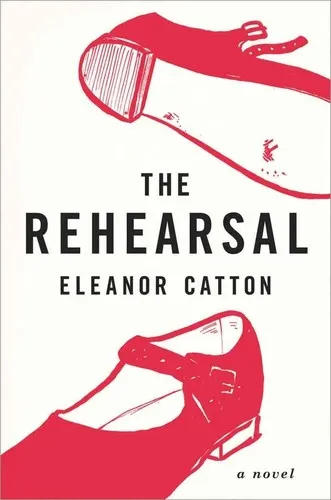
Books like The Rehearsal
Trust Exercise turns a rehearsal room into a struggle over who controls the story; The Book of Goose makes a childhood invention the trap its creators cannot escape. Along with Muriel Spark’s brilliantly predatory schoolroom classic, these novels share Catton’s fascination with performance, adolescent self-creation, and the dangerous authority of interpretation.
If you liked The Rehearsal, you’ll love these
Not lookalikes — kindred books. Each one shares something essential with The Rehearsal, and we tell you exactly what.
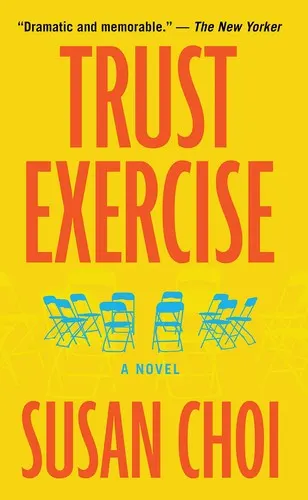
At an exacting performing-arts school, students discover that acting exercises, romances, and a charismatic teacher’s approval are almost impossible to separate. Choi captures the hothouse intensity Catton understands so well: teenagers testing identities while adults claim the right to explain what those identities mean.
Then the novel challenges its own account. Its formal disruptions are not decorative twists but an argument about memory, power, and whose version of youthful experience becomes authoritative. Winner of the National Book Award, Trust Exercise is the rare novel whose structure produces a moral shock. If you loved how The Rehearsal keeps turning spectators into performers and testimony into theater, this is essential.
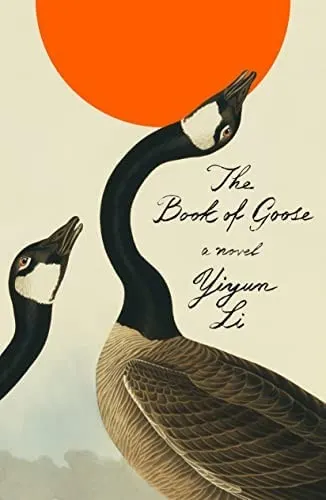
In postwar rural France, two fiercely intelligent girls, Fabienne and Agnès, begin inventing stories together. When those stories are presented to the adult world under Agnès’s name, private play becomes public authorship—and adults start manufacturing a version of the girl they want to see.
Li’s cool, crystalline prose contains a friendship of extraordinary heat: competitive, possessive, imaginative, and resistant to easy psychological labels. Like Catton, she treats adolescent invention as both liberation and danger, asking whether a performed self can ever remain yours once an audience believes in it. The novel won the PEN/Faulkner Award, and its final emotional force makes that recognition feel almost beside the point: Fabienne and Agnès linger like people you once knew and failed to understand.
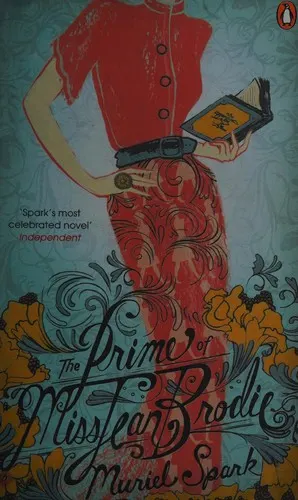
Miss Brodie chooses a select group of Edinburgh schoolgirls and sets about shaping them into her own aesthetic masterpiece. She is witty, magnetic, absurd—and chillingly confident that other lives can be arranged according to her preferred plot.
Spark’s famous economy is exhilarating: she reveals future consequences early, dissolving ordinary suspense so that every classroom remark acquires a double edge. The question is not simply what happens, but who has interpreted whom correctly. Few novels better expose charisma as a kind of stagecraft or education as an arena of erotic, artistic, and moral power. Its classic status is fully earned; after Catton, Spark’s merciless precision feels less like an ancestor than a live electrical current.