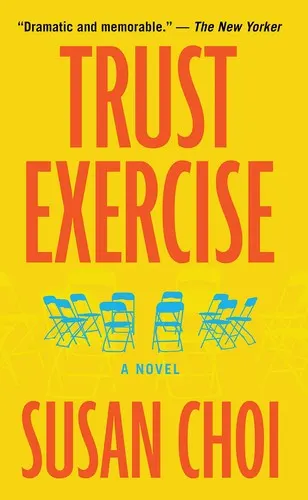
Books like Trust Exercise
These novels are rooms lined with one-way mirrors: while their characters perform, someone else is watching, interpreting, and quietly seizing control of the story.
If you liked Trust Exercise, you’ll love these
Not lookalikes — kindred books. Each one shares something essential with Trust Exercise, and we tell you exactly what.
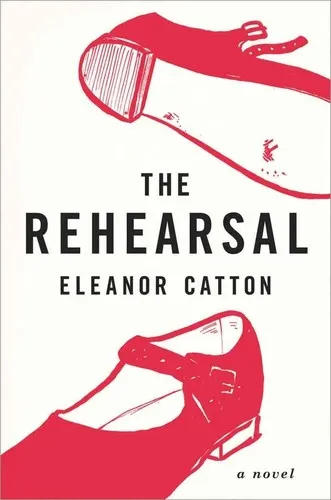
At a girls’ school shaken by a teacher’s sexual misconduct, students, parents, musicians, and young actors turn scandal into competing performances. Catton makes rehearsal—not confession—the governing principle: scenes repeat in altered forms, reality borrows the grammar of theater, and apparent candor becomes another role.
Like Trust Exercise, this audacious debut asks who gets to shape an account of adolescent sexuality and whether art clarifies exploitation or merely repackages it. Catton’s cool formal daring announced the novelist who would later win the Booker Prize; skipping The Rehearsal means missing one of the sharpest fictional studies of performance as both refuge and predation.
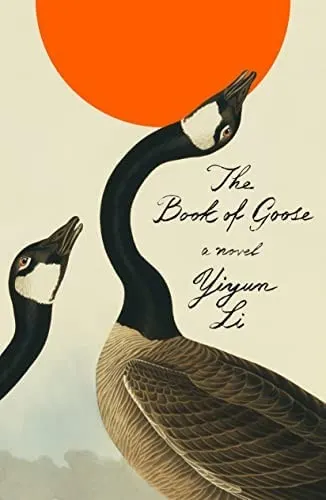
Two girls in postwar rural France begin inventing stories together, but the world’s appetite for a prodigy soon changes the balance of their friendship. Yiyun Li captures the intoxicating intimacy of shared imagination—and the violence that begins when one person’s experience becomes another person’s material.
The kinship with Trust Exercise lies in its suspicion of authorship itself: who is credited, who is believed, and who must live inside a story someone else has made about her. Li’s limpid prose conceals extraordinary emotional pressure, and the novel’s PEN/Faulkner Award recognized what devoted readers already knew: this seemingly delicate book closes around you like a trap.

Barbara Covett, a solitary, acid-tongued teacher, offers to tell us the truth about a colleague’s affair with a student. Her voice is so intelligent, funny, and apparently unsparing that it takes time to notice how aggressively she is arranging our sympathies—and how much possession can masquerade as loyalty.
Heller makes the reader a confidant and then an accomplice, reproducing the queasy experience of realizing that narration is itself an exercise of power. Booker-shortlisted and enduringly admired for its venomous precision, Notes on a Scandal is less a conventional tale of wrongdoing than a master class in how intimacy, judgment, and storytelling contaminate one another.