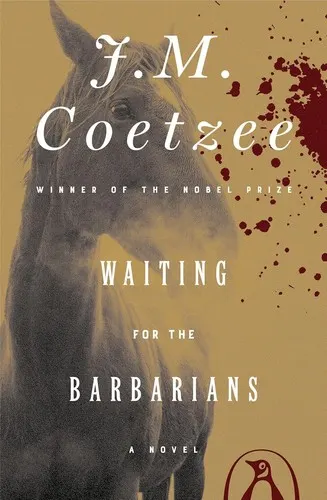
Books like Waiting for the Barbarians
The reader drawn to Waiting for the Barbarians distrusts clean innocence: they want spare, unsettling fiction about institutions that manufacture threats, ordinary people who become their instruments, and the belated awakening of conscience.
If you liked Waiting for the Barbarians, you’ll love these
Not lookalikes — kindred books. Each one shares something essential with Waiting for the Barbarians, and we tell you exactly what.
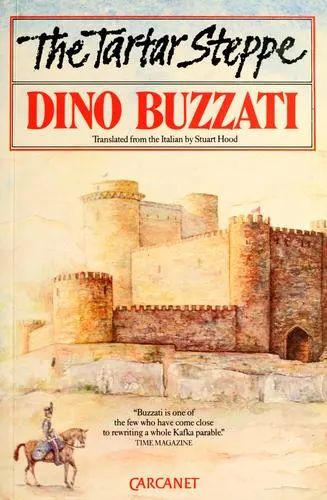
Lieutenant Giovanni Drogo arrives at a remote fortress facing an apparently empty frontier and gradually submits to its rituals of vigilance. As in Coetzee, the anticipated enemy matters less than the psychology of waiting: fear gives an institution purpose, while hope of crisis quietly consumes a life.
Buzzati’s acknowledged masterpiece turns repetition, barren landscapes, and military routine into an existential spell. Its sadness arrives almost imperceptibly, then becomes devastating. Anyone haunted by Coetzee’s frontier as both a political invention and a state of mind should not miss this eerily beautiful novel.
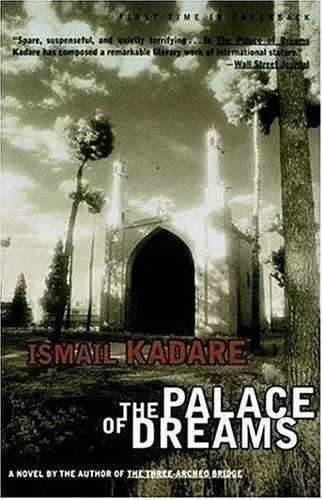
A young man enters an imperial bureaucracy charged with collecting and interpreting the dreams of the realm. Kadare makes that fantastic premise feel horribly practical: private fears become state property, interpretation becomes accusation, and clerical work acquires the force of violence.
The kinship with Coetzee lies especially in the protagonist’s compromised position. He is neither a heroic dissident nor a simple monster, but someone learning how privilege, obedience, and dread bind him to an incomprehensible machine. Written under Albania’s dictatorship and suppressed soon after publication, this major novel by the inaugural Man Booker International laureate is political allegory at its most elegant and dangerous.
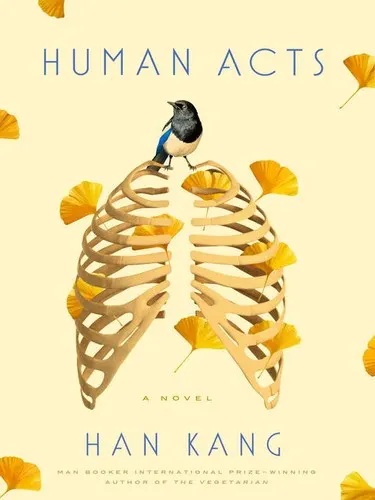
Han Kang begins amid the bodies left by the violently suppressed Gwangju uprising, following a boy searching for his missing friend. From there, her precise, restrained prose confronts what state brutality does to bodies, memories, and those forced to witness it.
Like Coetzee, Han refuses the consolations of moral distance. Shame and courage coexist; suffering is neither beautified nor reduced to an argument. Yet Human Acts also asks how tenderness can survive terror, giving its severity an emotional force all its own. Now central to Nobel laureate Han Kang’s international reputation, it is a brief novel with the afterlife of a much larger one.