
Books like The Mere Wife
Who is allowed to name the monster—and how much cruelty becomes respectable once that name sticks? These novels share Headley’s fascination with embattled bodies, dangerous homes, and the violence hidden inside “normal” life.
If you liked The Mere Wife, you’ll love these
Not lookalikes — kindred books. Each one shares something essential with The Mere Wife, and we tell you exactly what.
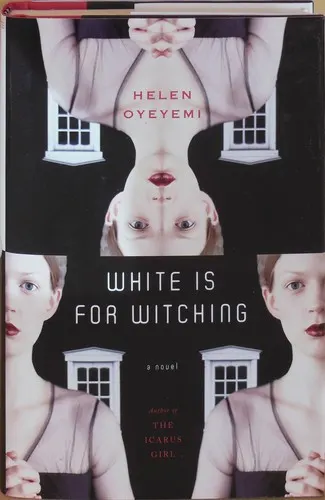
A house in Dover speaks, remembers, and resents. Inside it, Miranda Silver develops an appetite for inedible things; around her, family grief and English xenophobia begin to feel like aspects of the same haunting.
Oyeyemi shares Headley’s gift for making architecture ideological: the home is not a refuge but a border fortification, deciding who belongs and consuming those who do not. The shifting narrators create the same exhilarating uncertainty about where the monstrous truly resides. Winner of the Somerset Maugham Award, this is a dazzling, disquieting novel whose haunted-house machinery conceals a ferocious argument about inheritance and exclusion.
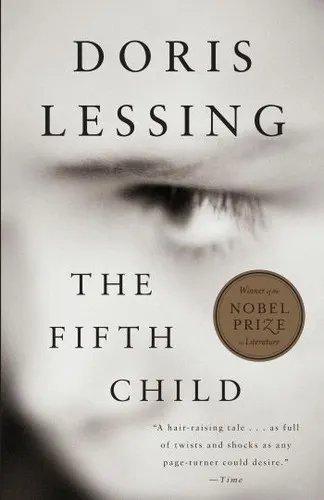
Harriet and David Lovatt build their dream of abundant, old-fashioned family life in a large house—until their fifth child, Ben, makes that dream feel increasingly like a trap. Lessing’s short novel is domestic horror stripped of supernatural reassurance: every judgment might be justified, self-serving, or both.
A lover of The Mere Wife will recognize the merciless scrutiny of respectable families and the way communities manufacture monsters to protect their image of themselves. Lessing never tells you how to classify Ben, forcing you instead to watch love, fear, resentment, and social conformity become almost indistinguishable. Few novels this compact leave such a lasting moral bruise.
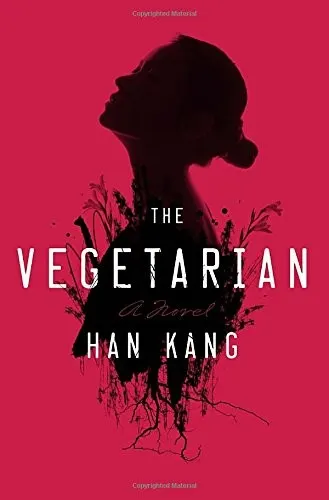
After a series of disturbing dreams, Yeong-hye stops eating meat. Her apparently simple refusal provokes outrage, coercion, and obsession from the people around her, each of whom believes her body should remain intelligible—and available—to them.
Like Headley, Han Kang approaches female otherness through multiple perspectives, letting a woman’s silence expose the fantasies projected onto her. The prose is cool and compressed while the imagery becomes increasingly strange, beautiful, and bodily; normality, not transformation, emerges as the most frightening force. This Booker International–winning novel helped make Han Kang an essential contemporary writer, and its vision of refusal as both self-erasure and resistance is unforgettable.