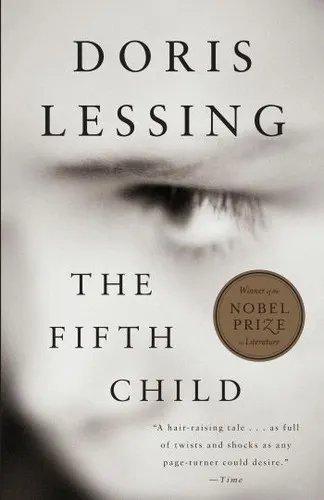
Books like The Fifth Child
In each of these novels, the family table remains neatly laid while something unbearable gathers beneath it, exposing love, duty, and respectability as far less stable than they appear.
If you liked The Fifth Child, you’ll love these
Not lookalikes — kindred books. Each one shares something essential with The Fifth Child, and we tell you exactly what.
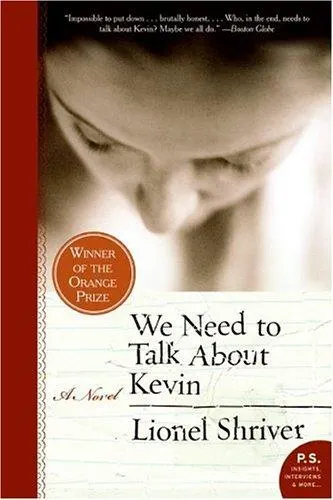
Like Lessing, Shriver enters the forbidden territory of maternal estrangement: what if a mother cannot love her child as she is expected to—and what if her misgivings are justified? Eva’s letters revisit her relationship with her son Kevin under the pressure of public blame, private guilt, and her own merciless intelligence.
Winner of the Orange Prize, this is not merely a novel about a frightening child. It is a ferocious argument about nature, nurture, and the stories families construct to survive themselves. Readers who admired Lessing’s refusal to supply comforting answers will find Shriver equally unsparing, but more expansive and psychologically obsessive.
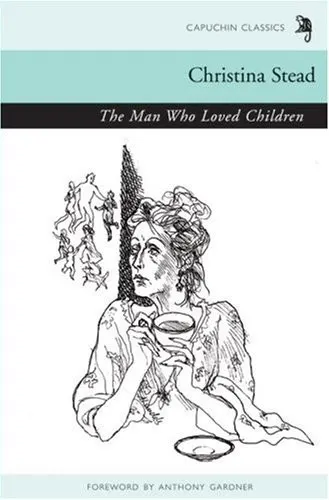
Stead’s great family novel shows domestic life becoming a totalitarian state. Sam Pollit considers himself a joyous, enlightened father; his household experiences his charisma as an inescapable force. His language, games, ideals, and demands colonize every room, while his wife and children struggle for psychic space.
The kinship with The Fifth Child lies in Stead’s demolition of the happy-family myth and her acute understanding that love can become coercion. Long championed as a neglected masterpiece, the novel has inspired extraordinary devotion because its family feels not merely observed but captured alive. It is larger and more riotous than Lessing’s book, yet just as fearless about the cruelty concealed inside domestic ideals.
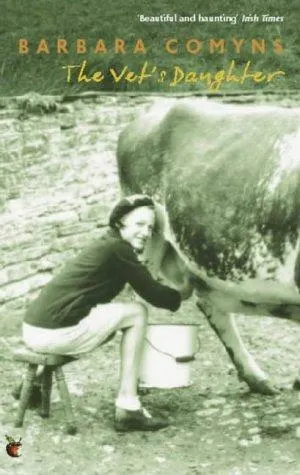
Alice lives above her father’s veterinary surgery in a house steeped in menace. Comyns gives her a voice of eerie simplicity: matter-of-fact, vulnerable, and so accustomed to brutality that the strangest events arrive almost quietly. As Alice discovers something uncanny in herself, the novel moves from grim realism into a dark, indelible fable.
Comyns shares Lessing’s gift for making horror feel both supernatural and socially ordinary. The real terror is not simply aberration, but the eagerness of respectable people to exploit, classify, or discard anyone who disrupts their world. A cult classic of English fiction, The Vet’s Daughter is brief enough to read in a sitting and peculiar enough to haunt the imagination for years.