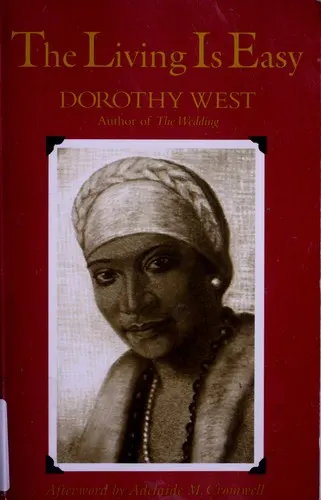
Books like The Living Is Easy
Cleo Judson is appalling, ingenious, and impossible to look away from: West turns household management into conquest and respectability into one more weapon.
If you liked The Living Is Easy, you’ll love these
Not lookalikes — kindred books. Each one shares something essential with The Living Is Easy, and we tell you exactly what.
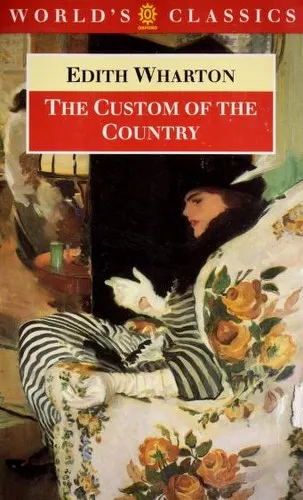
Undine Spragg is Cleo’s great literary cousin: a woman whose ruthless social intelligence exposes the values of everyone around her. Newly arrived in New York, Undine studies wealth, marriage, and manners not as traditions but as mechanisms she can operate.
Wharton shares West’s rare refusal to sentimentalize her heroine—or punish the reader’s fascination with her. Both novels derive wicked comedy from negotiations disguised as family feeling, and both understand that an ambitious woman can be simultaneously constrained by society and devastatingly adept at exploiting it. Wharton’s satire is justly revered, but the real attraction is Undine herself: once you have met Cleo, not meeting Undine would leave the gallery of magnificent social predators incomplete.
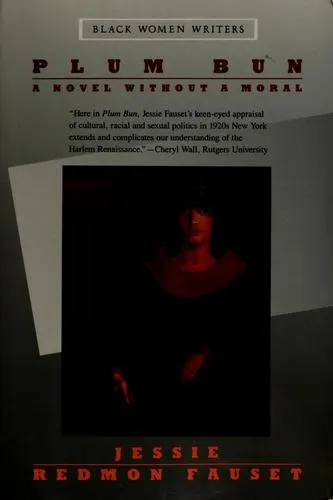
Fauset makes social aspiration feel intimate: it enters childhood games, courtship, clothes, art, and the smallest calculations about who may be seen with whom. Angela Murray, a light-skinned Black woman who can pass as white, grows up learning how differently the world prices beauty, color, and belonging; when she seeks a larger life, every apparent freedom carries a demand.
A central Harlem Renaissance novel, Plum Bun offers the same pleasure as West’s close observation of Black bourgeois life—its elegance, hypocrisies, ambitions, and internal hierarchies—while giving its heroine a more searching moral consciousness than Cleo possesses. Fauset is wonderfully alert to the way women read a room before anyone speaks. The novel’s polish can conceal its daring, but its questions about self-invention and the cost of admission remain piercing.
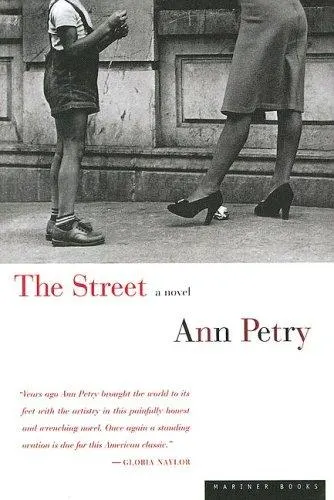
The opening struggle of Lutie Johnson to rent a Harlem apartment establishes Petry’s governing insight: domestic decisions are never merely domestic when money, race, sex, and housing have already narrowed the choices. Like West, Petry gives a Black woman ambition without turning her into a symbol of uplift. Lutie is intelligent, proud, fallible, and sharply observant—and the novel respects her desire for comfort even as it measures the forces gathering around it.
The Street is darker and more pressurized than The Living Is Easy, but the books share an unsparing interest in what security costs and who pays for it. Petry makes the city itself exert pressure through overheard music, bad air, wages, rents, and watchful men. The first novel by a Black woman to sell more than a million copies, it earned that readership not through reassurance but through narrative force. Its momentum is ferocious, and its social vision is difficult to shake.