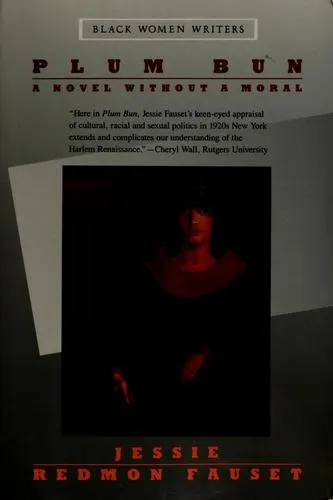
Books like Plum Bun
Where Quicksand intensifies Plum Bun’s restless search for a life beyond prescribed identities, The Living Is Easy turns its social observation into wicked comedy. The Street carries Fauset’s concern with female independence into a harsher urban register.
If you liked Plum Bun, you’ll love these
Not lookalikes — kindred books. Each one shares something essential with Plum Bun, and we tell you exactly what.
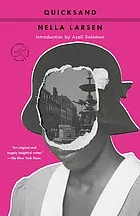
Helga Crane, like Angela Murray, is intelligent, stylish, artistically responsive, and unwilling to accept the identities other people assign her. Larsen captures the exhilaration of reinvention—and the suspicion that every promising new milieu may impose another suffocating role.
What makes this Harlem Renaissance classic such a close companion to Plum Bun is its fusion of social critique with intimate restlessness. Race, class, sexuality, beauty, and respectability are never abstractions: they shape rooms, clothes, conversations, and desire. Larsen’s prose is more compressed and feverish than Fauset’s, but Helga’s hunger for freedom will feel hauntingly familiar.
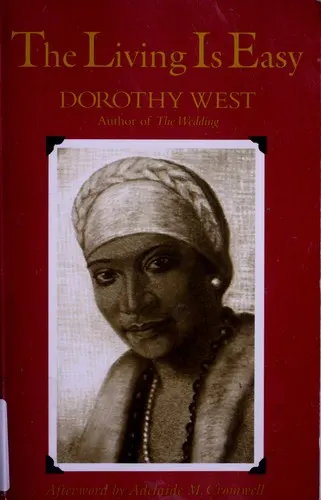
Readers who relish Fauset’s amused, unsparing eye for status will find an even sharper social comedian in Dorothy West. Cleo Judson is a formidable Boston social climber determined to arrange family, marriage, and respectability according to her own design. She can be exasperating, impressive, cruel, and very funny—often simultaneously.
West exposes the performances required by class aspiration and color prejudice without reducing her characters to moral examples. Long undervalued and later recovered as a major work of Black women’s fiction, the novel offers the rare pleasure of a domestic comedy whose elegance never softens its bite. If Plum Bun made you wish more novels treated Black bourgeois life with wit and psychological complexity, this is indispensable.
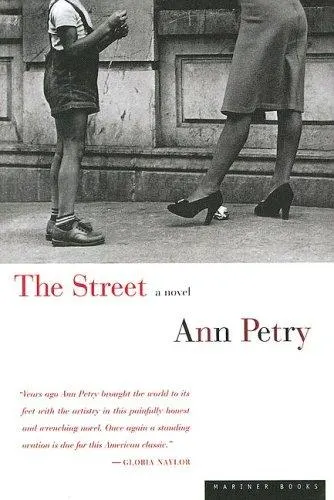
Ann Petry begins with Lutie Johnson battling the wind on a Harlem street, searching for an apartment and a foothold for herself and her son. Lutie’s belief in work, independence, and self-making echoes Angela’s ambitions, but Petry asks a more brutal question: what happens when the city converts a woman’s beauty, labor, and hope into opportunities for other people?
The prose is vivid and propulsive, giving buildings, weather, and money an almost physical pressure. Yet Lutie remains more than a symbol; her judgments, dreams, and compromises have the specificity that makes Fauset’s Angela so compelling. The Street became the first novel by an African American woman to sell more than a million copies, and its force has not diminished. It is the darker book, but its clarity about freedom’s material cost makes it a necessary extension of Plum Bun.