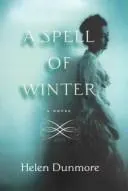
Books like A Spell of Winter
Young Catherine listens to the old house, sensing that its silences know more about her vanished parents than any adult will say. These novels share Dunmore’s gift for making desire, memory and danger feel embedded in rooms, bodies and weather.
If you liked A Spell of Winter, you’ll love these
Not lookalikes — kindred books. Each one shares something essential with A Spell of Winter, and we tell you exactly what.
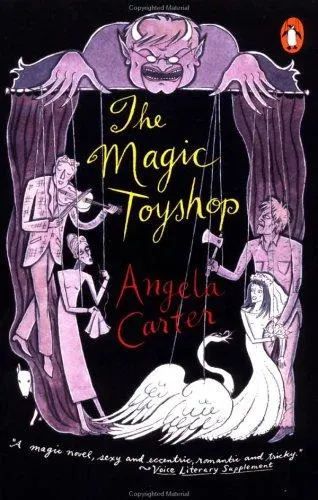
Melanie begins by studying her changing body in a mirror, and Carter immediately makes adolescence feel both enchanted and perilous. Like Dunmore, she understands that awakening desire can be inseparable from fear—and that ordinary domestic objects can acquire the force of omens.
Carter’s early prize-winning novel is stranger and more flamboyant than A Spell of Winter, but its claustrophobic household, sensuous precision and dark fairy-tale logic will feel thrillingly familiar. Few novels capture so vividly the moment when childhood’s protections fall away.
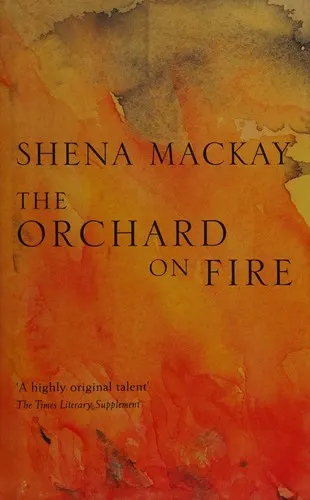
An English village in the 1950s appears idyllic to young April Harlency: orchards, streams, sweets and intoxicating friendships. Yet Mackay lets menace gather at the edges of what April can understand. Beauty is never merely decorative; it sharpens the reader’s awareness of cruelty nearby.
This Booker-shortlisted novel has the same rare combination of lyricism and unsentimental psychological insight that distinguishes Dunmore. It is compact, fiercely observed and devastating precisely because it refuses melodrama. Readers who loved the way A Spell of Winter turns remembered childhood into a landscape of secret knowledge should not miss it.
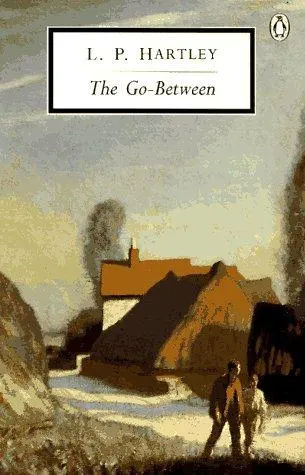
Hartley exchanges Dunmore’s winter for a summer so hot that the weather itself seems feverish. An older man opens a childhood diary and is carried back to the country house where, as a boy, he became the bearer of messages whose emotional meaning he only partly grasped.
The deepest kinship lies in the treatment of memory: both novels show a child absorbing adult desire through atmosphere long before understanding it in words. Hartley’s enduring classic is exquisitely controlled, but never bloodless; beneath its manners runs a current of longing, shame and irreversible harm. Its famous hold on generations of readers is wholly deserved.