Books like The Light and the Dark
What lingers is Snow’s rare combination of intellectual excitement, intimate loyalty, psychological darkness, and the sense that private character can quietly become public history. These three novels extend different parts of that spell.
If you liked The Light and the Dark, you’ll love these
Not lookalikes — kindred books. Each one shares something essential with The Light and the Dark, and we tell you exactly what.
The strongest next step is another of Lewis Eliot’s acts of watchful participation. A Cambridge college must choose a new Master, and Snow turns the election into an enthralling study of ambition, allegiance, vanity, and conscience. Every conversation alters the balance; every principled position contains a personal motive.
Often regarded as a high point of the Strangers and Brothers sequence, The Masters has the same lucid intelligence as The Light and the Dark but distributes its drama across an entire institution. Snow makes committee politics feel momentous because he understands that power is exercised through friendship, hesitation, and apparently harmless compromise. Few novels are better at showing clever, decent people becoming political animals without ceasing to be clever or decent.
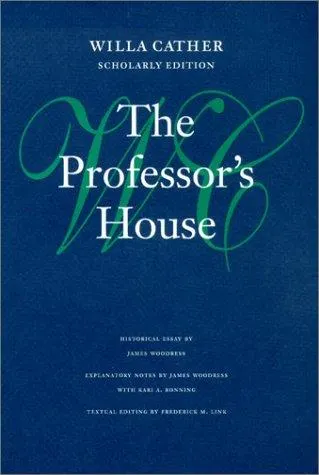
Cather begins with an accomplished historian unable to leave the shabby study where his life’s work was written. Beneath that modest resistance lies a profound estrangement—from success, family life, and even his former self.
A lover of Roy Calvert’s brilliance and darkness will recognize Cather’s refusal to reduce intellectual melancholy to a diagnosis or moral lesson. Her professor’s scholarship is not decorative characterization: it has formed his deepest loyalties and made ordinary life harder to inhabit. Spare, structurally daring, and one of Cather’s most admired novels, The Professor’s House achieves in a few pages what larger books often cannot: it makes the life of the mind feel both sustaining and perilous.
Bedford’s celebrated first novel follows two intermarrying German families before the First World War: one cultivated, wealthy, and Jewish; the other Catholic, aristocratic, and ruled by inherited codes. Its real subject is how intelligence, charm, prejudice, and institutional power coexist long before catastrophe makes their implications unmistakable.
Like Snow, Bedford distrusts easy hindsight. Her people do not know they are living in an ominous historical prelude; they are absorbed in marriages, lawsuits, loyalties, and social humiliations. The prose is glitteringly controlled, yet the accumulating moral pressure is immense. A Legacy offers the same unsettling recognition that civilization and darkness are not opposites safely separated from one another—they may occupy the same drawing room, the same friendship, even the same mind.