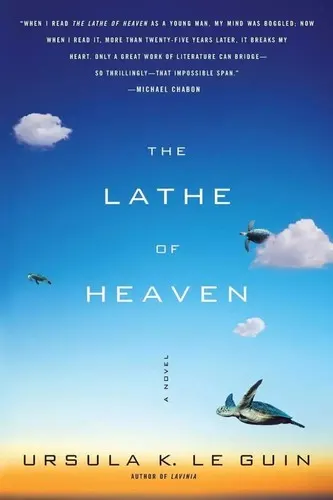
Books like The Lathe of Heaven
That hushed, uncanny feeling that reality is fragile—and that improving the world may be more dangerous than accepting it—runs through these three remarkable novels.
If you liked The Lathe of Heaven, you’ll love these
Not lookalikes — kindred books. Each one shares something essential with The Lathe of Heaven, and we tell you exactly what.
No novel more exhilaratingly captures the sensation of ordinary reality quietly losing its authority. After a disastrous mission, objects begin reverting to earlier forms, time behaves badly, and the survivors receive cryptic messages from something called Ubik. Dick makes every coffee pot, coin, and advertisement feel metaphysically suspect.
Like Le Guin, he uses reality-bending not as a gimmick but to ask who controls the world we experience—and whether anyone can be trusted with that power. The tone is brasher and more darkly comic than The Lathe of Heaven, yet beneath the pulp velocity lies the same existential unease. Widely regarded as one of Dick’s masterpieces, Ubik is the rare cult classic whose audacity still feels undiminished.
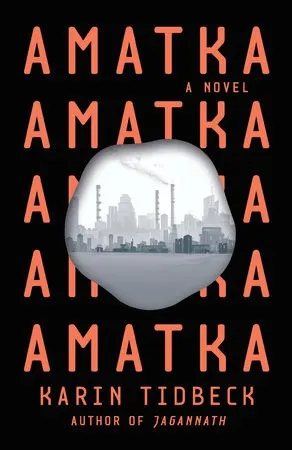
In the austere colony of Amatka, objects must be repeatedly named and labeled or they may lose their form. Into this precarious society comes Vanja, ostensibly to conduct market research, who gradually discovers how much collective discipline is required to keep both matter and political order intact.
Amatka reverses the mechanism of The Lathe of Heaven: instead of dreams rewriting reality, language holds it together. But it shares Le Guin’s fascination with the moral consequences of imposing a single vision on everyone else. Tidbeck’s clean, restrained prose makes the strangest events feel inevitable, while Vanja’s quiet vulnerability gives the philosophical puzzle a human pulse. This is compact, haunting speculative fiction of unusual originality—the kind of novel readers press on one another because too few people have discovered it.
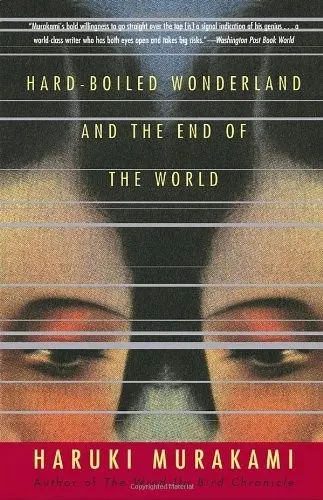
Murakami alternates between two enigmas: a sardonic data specialist descending into a bizarre technological conspiracy, and a newcomer to a walled town where shadows are severed from their owners. The connection between these worlds slowly becomes the novel’s great emotional and metaphysical question.
A reader who loved George Orr’s passivity, compassion, and uncertain footing will recognize Murakami’s gift for placing a gentle, unheroic consciousness inside impossible circumstances. Both novels ask whether a painless, harmonious world is worth the surrender of something essential in the self. Dreamlike without becoming vague, playful without trivializing its stakes, this early Murakami favorite achieves a haunting balance between cerebral invention and genuine heartbreak.