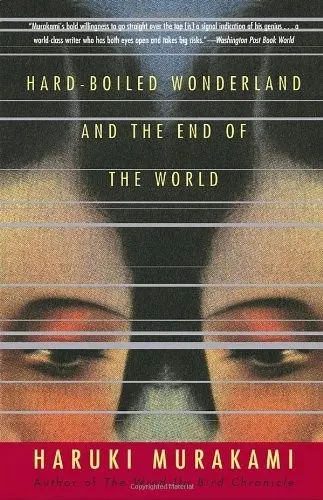
Books like Hard-Boiled Wonderland and the End of the World
—because its strangest achievement is making a metaphysical puzzle feel intimate: memory, identity, and consciousness become matters of heartbreak rather than abstract speculation. These three novels pull off related magic in sharply different ways.
If you liked Hard-Boiled Wonderland and the End of the World, you’ll love these
Not lookalikes — kindred books. Each one shares something essential with Hard-Boiled Wonderland and the End of the World, and we tell you exactly what.
A fugitive hiding on an apparently deserted island discovers that elegantly dressed visitors have begun repeating the same gestures and conversations, indifferent to his presence. From that simple disturbance, Bioy Casares constructs a beautifully engineered mystery about perception, solitude, and the desire to escape mortality.
Like Murakami, he makes an impossible system feel precise enough to operate—and then reveals the human longing caught inside its machinery. The novel is brief, lucid, and haunting; Jorge Luis Borges famously called its plot perfect. Anyone who loved the melancholy logic of the End of the World should experience this foundational masterpiece of metaphysical fiction.
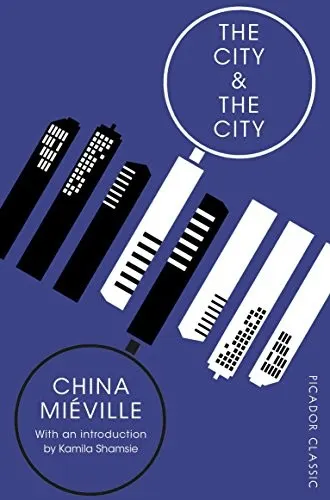
Inspector Tyador Borlú begins with a murder investigation, but solving it requires navigating one of modern fiction’s most audacious ideas: two cities occupy the same physical space, while their citizens are trained not to perceive one another.
Miéville combines procedural momentum with an escalating crisis of reality. What initially seems like surreal decoration becomes a rigorous system governing attention, habit, and fear—much as Murakami’s bizarre rules gradually expose deeper questions about the mind. Winner of the Hugo, World Fantasy, and Arthur C. Clarke awards, it is that rare conceptual novel whose central conceit changes how you notice the ordinary world.
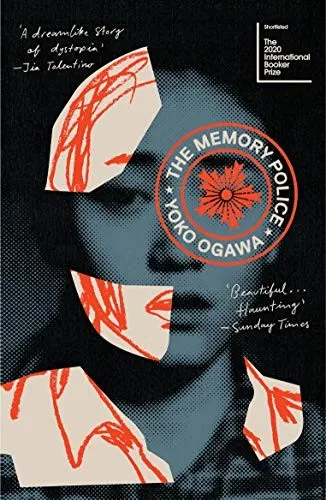
On an unnamed island, objects periodically disappear: birds, roses, photographs. Soon the inhabitants lose not only the things themselves but their emotional connection to them, while the Memory Police ensure that nothing remains. A young novelist, sensing that her editor remembers what others cannot, faces the quiet terror of preserving a reality everyone else has relinquished.
Ogawa shares Murakami’s gift for calm sentences that make the impossible feel domestically routine. More importantly, she understands memory as part of the self: remove enough of the world, and what remains of the person? An International Booker finalist, this novel has earned devoted admiration for its restraint and accumulating emotional force. Its final effect is less like solving a puzzle than waking from a dream with an absence you can still feel.