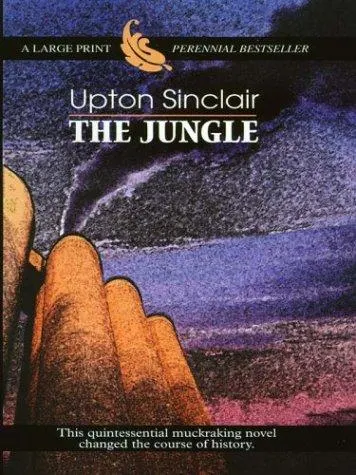
Books like The Jungle
The reader who is gripped by The Jungle wants fiction with evidence in its bloodstream: intimate human lives rendered so vividly that exploitation stops being an abstraction and becomes impossible to excuse. These three novels share Sinclair’s anger, compassion, and power to expose an entire system through the people it consumes.
If you liked The Jungle, you’ll love these
Not lookalikes — kindred books. Each one shares something essential with The Jungle, and we tell you exactly what.
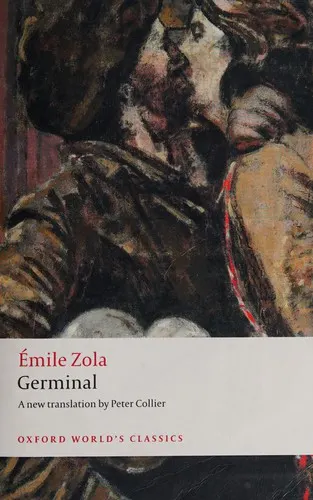
Before Sinclair entered Chicago’s stockyards, Zola descended into the coal mines of northern France. Germinal follows Étienne Lantier, an unemployed mechanic who joins a mining community where hunger, debt, and dangerous labor have been normalized across generations. The mine is not merely a backdrop but a vast economic organism, fed by human bodies.
Zola’s naturalism gives the novel the investigative force of reportage: cramped homes, company control, bodily exhaustion, and class resentment are rendered with punishing precision. Yet its miners are never reduced to exhibits in a social argument; their desires, jealousies, loyalties, and disagreements make collective action thrillingly complicated. Widely regarded as Zola’s masterpiece and one of the greatest novels of labor ever written, Germinal has the elemental power of a founding myth. A reader who admired Sinclair’s willingness to make suffering visible should not miss the novel that brought that mission to one of its highest artistic peaks.
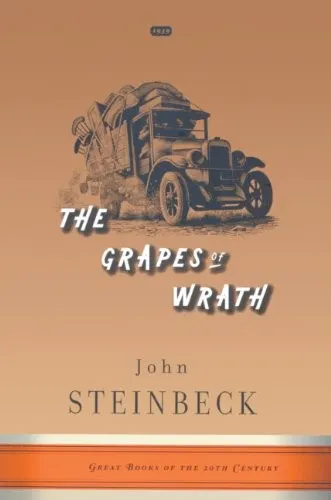
Steinbeck begins with a family returning to land that can no longer sustain them, then steadily widens his lens until their dispossession becomes the story of a whole economic order. Like Sinclair, he understands that poverty is not simply misfortune: it is manufactured through contracts, institutions, intimidation, and the imbalance between isolated workers and organized wealth.
What makes The Grapes of Wrath indispensable is the union of indignation and tenderness. Its alternating chapters move between the Joad family’s immediate experience and lyrical, almost biblical accounts of migration, machines, hunger, and collective endurance. The Pulitzer-winning novel provoked denunciations and burnings on publication, precisely because its compassion carried political force. Sinclair’s readers will recognize its moral urgency, but Steinbeck adds a grandeur of language and a stubborn faith in solidarity that can make the book feel less like a period document than a living summons.
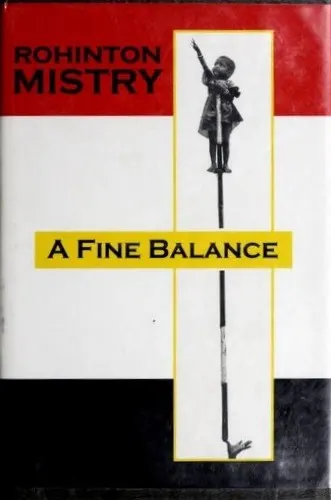
In 1970s India, four people from sharply different backgrounds are brought together by necessity: a spirited widow, a student far from home, and two tailors trying to escape inherited oppression. From that modest convergence, Mistry constructs an immense portrait of lives squeezed by caste, poverty, political power, and casual bureaucratic cruelty.
The kinship with The Jungle lies in the ruthless accumulation of detail. A room, a meal, a job, or a small official demand can reveal the machinery of an entire society. But Mistry also gives his characters humor, pride, irritation, and affectionate rituals, so their companionship matters as much as the forces threatening it. Shortlisted for the Booker Prize and cherished by readers despite—or because of—its emotional severity, A Fine Balance is one of the great modern novels of systemic injustice. It does not let the powerful hide behind statistics, and its characters are extraordinarily difficult to leave behind.