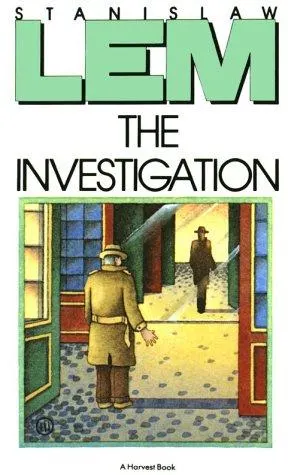
Books like The Investigation
What lingers is the appetite for investigations in which evidence multiplies faster than certainty, reason becomes uncanny, and the detective story quietly turns into philosophy.
If you liked The Investigation, you’ll love these
Not lookalikes — kindred books. Each one shares something essential with The Investigation, and we tell you exactly what.
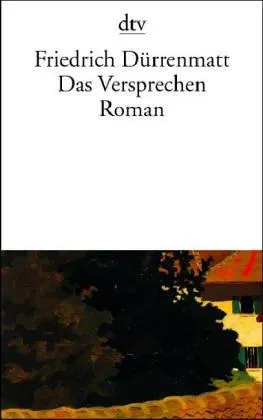
Dürrenmatt called this compact, ruthless novel a “requiem for the detective novel,” and it earns the phrase. A brilliant inspector refuses to accept the convenient solution to a child’s murder and makes a promise that transforms deduction from a professional method into a consuming moral obligation.
Like Lem, Dürrenmatt asks whether patterns belong to reality or are imposed by minds desperate for coherence. But where The Investigation is cool and spectral, The Pledge is emotionally devastating: it tests the detective’s faith in reason against contingency itself. Few crime novels have dismantled their genre’s comforting machinery so cleanly.
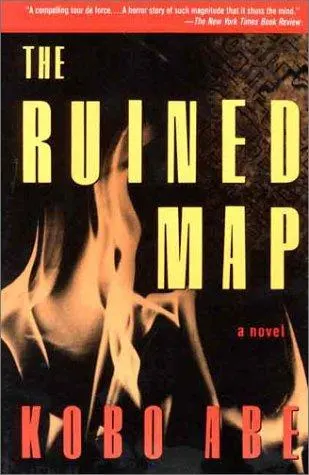
A private investigator is hired to find a missing man, armed with clues that seem concrete yet refuse to compose a stable picture. Every address, photograph, and testimony makes the absent man—and eventually the act of searching for him—more elusive.
Abe’s exact, estranging prose turns ordinary city life into an epistemological trap. This is one of the defining novels of his celebrated postwar avant-garde period: a detective story whose true mystery is how identity can be verified at all. Readers who loved Lem’s patient erosion of the boundary between fact and interpretation will find Abe’s labyrinth almost impossible to shake.
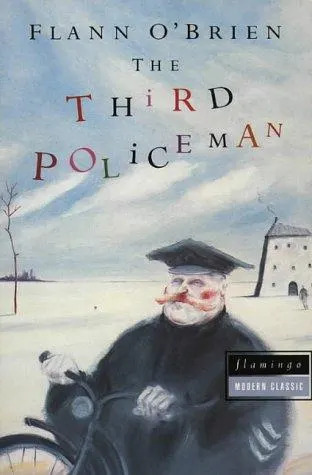
Its unnamed narrator begins with murder, a lost manuscript, and an obsession with the crackpot philosopher de Selby; from there, solemn explanation and metaphysical absurdity become indistinguishable. O’Brien’s great trick is to make nonsense proceed with the immaculate confidence of a scientific report.
That blend of bureaucratic logic, black comedy, and genuine ontological dread should delight anyone who loved Lem at his most deadpan. Rejected in O’Brien’s lifetime and published posthumously, The Third Policeman became a fiercely cherished cult classic because nothing else sounds quite like it. Its comic machinery is ingenious; the unease beneath it is profound.