
Books like The Pledge: Requiem for the Detective Novel
What if truth exists, but reality refuses to arrange itself into proof? These three novels share Dürrenmatt’s distrust of tidy detection while turning that distrust toward different targets: chance, the chaos of human motives, and entrenched power.
If you liked The Pledge: Requiem for the Detective Novel, you’ll love these
Not lookalikes — kindred books. Each one shares something essential with The Pledge: Requiem for the Detective Novel, and we tell you exactly what.
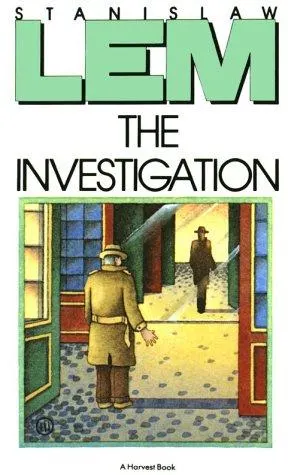
Lem begins with an impossible case: corpses are apparently moving in rural England, and Scotland Yard assigns Lieutenant Gregory to find a rational explanation. What follows is less science fiction than a metaphysical detective novel, in which statistics, coincidence, and causation compete to explain evidence that will not behave.
Like Dürrenmatt, Lem understands that the detective story rests on a nearly religious faith: every effect must have a discoverable cause, and sufficient intelligence must make the world legible. Gregory’s mounting obsession exposes the psychological cost of that faith. Eerie, dryly funny, and intellectually destabilizing, The Investigation is among Lem’s most haunting books—a perfect next step for anyone who finished The Pledge wondering whether randomness is the detective’s true adversary.
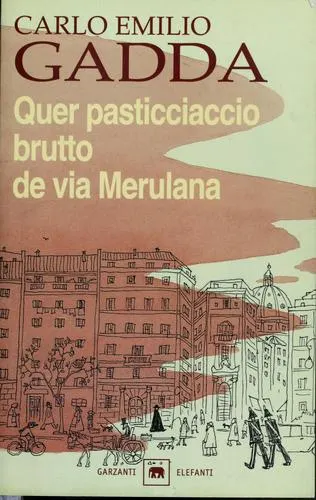
A burglary and a murder draw Inspector Ingravallo into a crowded Roman apartment building, but Gadda refuses to let the case narrow into a clean chain of clues. Every object sprouts associations; every witness brings prejudices, appetites, dialects, and private evasions. The closer Ingravallo looks, the more proliferating life defeats the elegant geometry of detection.
This landmark of twentieth-century Italian fiction transforms the failed mystery into a linguistic carnival. Its baroque comedy is far removed from Dürrenmatt’s wintry severity, yet both writers attack the same comforting lie: that one culprit and one motive can contain the disorder surrounding a crime. Gadda’s novel is demanding, grotesque, and exuberantly alive—the rare anti-detective novel whose very sentences demonstrate why reality cannot be solved.
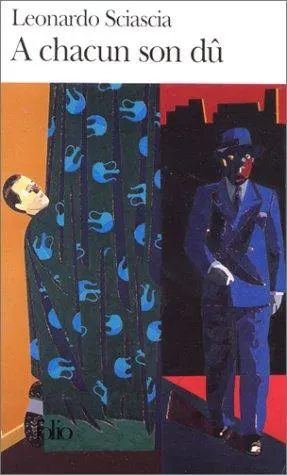
When an obscure Sicilian professor notices a clue others dismiss, he begins quietly investigating a double murder. He is intelligent, conscientious, and dangerously inclined to believe that exposing the truth will give it public force.
Sciascia writes with the compression of a fable and the cold precision of an indictment. Where The Pledge pits reason against contingency, To Each His Own asks what reason can accomplish in a society whose respectable citizens already understand which truths must remain unspoken. The suspense comes not from elaborate twists but from watching a decent mind move through a landscape of insinuation, complicity, and perfectly calibrated silence. Sciascia became one of Europe’s essential political novelists by making such short books carry enormous moral weight; this may be his sharpest and most seductive demonstration.