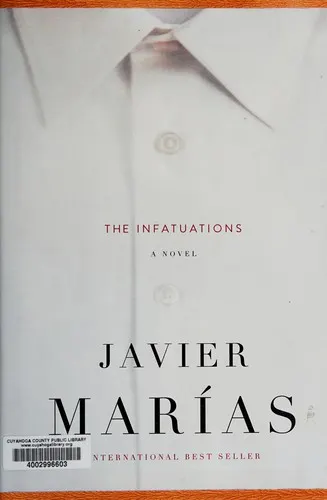
Books like The Infatuations
Magda Szabó’s The Door replaces erotic obsession with the fierce bond between a writer and her housekeeper, yet it asks the quintessential Marías question: can scrutinizing our motives ever absolve us? These three novels turn attachment into an inquiry—and narration into morally compromised evidence.
If you liked The Infatuations, you’ll love these
Not lookalikes — kindred books. Each one shares something essential with The Infatuations, and we tell you exactly what.

The narrator begins by confessing that she killed Emerence, the formidable housekeeper who dominated her emotional life. What follows is not a mystery about facts but an examination of guilt: how affection becomes possession, how good intentions conceal vanity, and how retelling a betrayal may itself be self-serving.
Like The Infatuations, The Door makes another person’s inner life feel simultaneously close and inviolable. Emerence’s locked house becomes the concrete expression of everything the narrator cannot know or has no right to know. Szabó, one of Hungary’s great novelists, writes with an austere intensity that earned this English translation unusually passionate acclaim. It is the rare novel that leaves readers judging the narrator, then uneasily recognizing themselves in her defense.
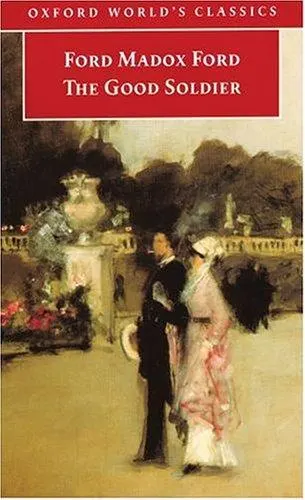
John Dowell undertakes to explain the apparently civilized friendship between two wealthy couples who meet over successive seasons at a German spa. But his account circles, doubles back, corrects itself, and quietly contradicts what he has already said. Every return to an old conversation alters its moral meaning.
That recursive method will feel thrillingly familiar to a Marías reader: thought does not clarify experience so much as expose further ambiguities. Dowell’s plainness is as treacherous as María Dolz’s intelligence, and both narrators discover that watching other people can become a form of complicity. Published in 1915, The Good Soldier remains a foundational achievement of unreliable narration—not a period curiosity, but a startlingly intimate machine for making certainty collapse.
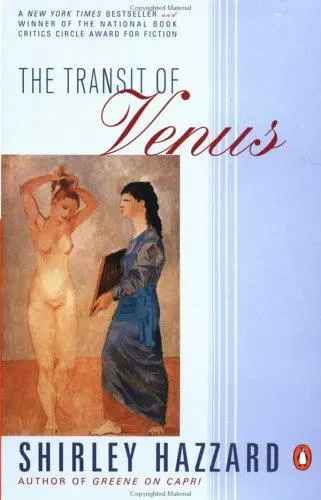
Hazzard follows two Australian sisters into postwar England while giving the reader flashes of foreknowledge from the opening pages. The result is a novel charged with fate: an incidental remark, a missed encounter, or a selfish decision seems to cast a shadow decades ahead.
Where Marías is hypnotically expansive, Hazzard is compressed and diamond-hard. Yet both treat love as interpretation—an attempt to construct a coherent story from another person’s gestures—and both understand that romantic conviction can be ethically ruinous. The Transit of Venus won the National Book Critics Circle Award and has inspired extraordinary devotion ever since. Its sentences invite rereading; its architecture virtually demands it. On a second pass, seemingly casual details reveal just how completely Hazzard had the reader in her hands.