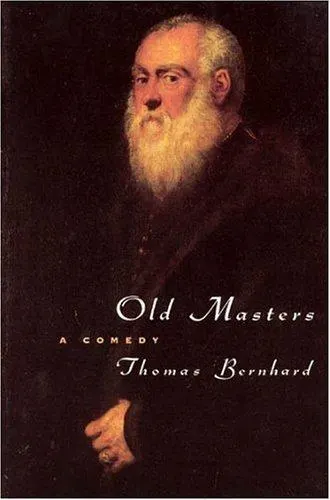
Books like Old Masters
If art cannot keep death from entering the room, why do we continue asking it to justify our lives? These three novels share Old Masters’ delight in turning that question into comedy, accusation, and reluctant devotion.
If you liked Old Masters, you’ll love these
Not lookalikes — kindred books. Each one shares something essential with Old Masters, and we tell you exactly what.
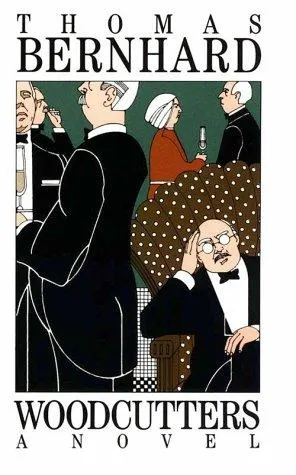
Bernhard places his narrator in a wing chair at an “artistic dinner,” where he silently prosecutes every guest for vanity, hypocrisy, and cultural fraud. The looping monologue has Old Masters’ miraculous volatility: each apparently final condemnation reverses into fascination, self-indictment, or an unwilling admission of love.
The novel was briefly seized after publication following a lawsuit, an appropriately Bernhardian scandal for what became one of his defining works. If Old Masters made sustained invective feel as formally exact as music, Woodcutters is the indispensable companion piece: funnier, more social, and lethally alert to the possibility that the critic may be as compromised as everyone he despises.
A celebrated pianist arrives in an unnamed European city and finds himself burdened with appointments, requests, and expectations he cannot quite understand. Around him, people speak as though a successful concert might repair marriages, redeem failures, and restore an entire community. Ishiguro lets that faith in culture become both absurd and heartbreaking.
Where Bernhard attacks through repetition, Ishiguro destabilizes through dream logic: corridors expand, obligations multiply, and solemn artistic talk keeps exposing private desperation. Initially notorious for baffling critics, The Unconsoled has become one of Ishiguro’s most passionately defended novels. Its strange comic pressure is unique—and its vision of art as an impossible burden is unforgettable.
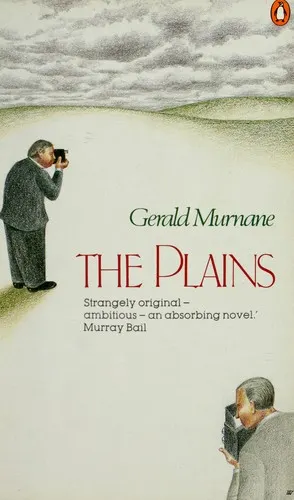
An unnamed filmmaker travels inland seeking a wealthy patron for a film about “the plains.” What follows is not conventional satire but an eerily persuasive world of patrons, artists, private theories, rival systems of meaning, and heroic attempts to distinguish genuine perception from cultivated nonsense.
Murnane’s sentences are cooler than Bernhard’s, but the comedy has the same source: intellectual seriousness pursued so relentlessly that it becomes ridiculous, then passes through ridicule into something haunting. This short novel helped establish Murnane’s international reputation as a writers’ writer and remains his essential work. Few books examine looking, interpretation, and artistic prestige with such austere mischief; once its peculiar logic takes hold, it alters how museums, landscapes, and explanations themselves appear.