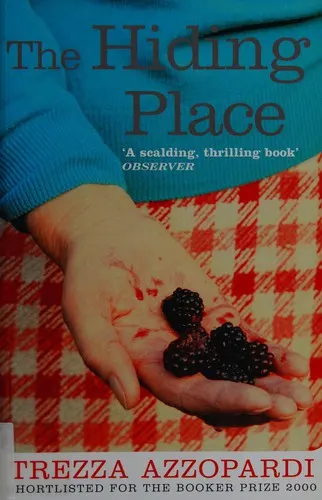
Books like The Hiding Place
As Mary Gauci bears a sixth daughter, Frankie’s cards and debts are already tightening chance, shame and secrecy around the child. These novels likewise turn damaged family histories into voices and structures that make silence palpable.
If you liked The Hiding Place, you’ll love these
Not lookalikes — kindred books. Each one shares something essential with The Hiding Place, and we tell you exactly what.
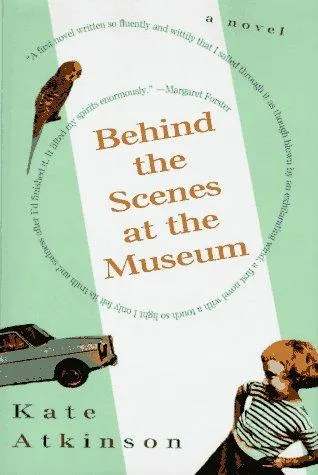
Ruby Lennox begins narrating at the instant of her conception, then leads us through a cluttered family world in which jokes, heirlooms and casual remarks conceal older griefs. Like Azzopardi, Atkinson treats the household as an archaeological site: every object may be evidence, and every apparent digression may alter what the family story means.
Atkinson is funnier and more exuberant, but she shares Azzopardi’s fascination with daughters inheriting histories they were never properly told. This dazzling debut won the Whitbread Book of the Year, and its intricate design rewards rereading: once you have lived inside Ruby’s voice, the ordinary family chronicle never looks innocent again.
Sophia Fairclough recounts her marriage to an impoverished artist in prose so candid and oddly cheerful that disaster can arrive sounding almost like an amusing household mishap. Rent, hunger, pregnancy and chipped crockery are recorded without self-pity; the voice’s innocence makes every failure of care more devastating.
That tonal doubleness will be instantly recognizable to admirers of The Hiding Place: suffering is neither sentimentalized nor made picturesque, while material objects carry an almost talismanic weight. Long cherished as a cult classic and repeatedly rescued into print, Comyns’s novel is brief, eccentric and unforgettable—the sort of book whose plainest sentences continue to sting years later.
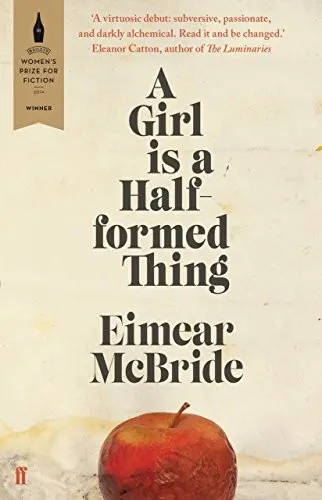
McBride’s novel opens with a girl addressing her brother before either of them has properly entered the world, in language broken into pulses, fragments and half-made thoughts. Rather than calmly reconstructing childhood damage, the prose forces us to experience consciousness as it forms under pressure: love, bodily fear, religious shame and family silence become inseparable from syntax itself.
Readers drawn to Azzopardi’s fractured memories and the terrible eloquence of what cannot be said may find this the fiercest possible continuation. Winner of both the inaugural Goldsmiths Prize and the Baileys Women’s Prize, it earned its reputation through formal daring rather than prestige polish. It is harrowing, but its voice is an artistic event—missing it means missing one of the most consequential debuts of recent decades.