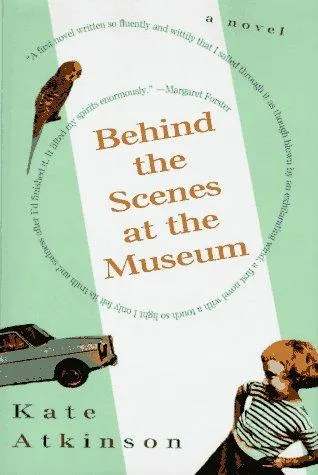
Books like Behind the Scenes at the Museum
You loved the way Atkinson turns family history into a mischievous, heartbreaking act of detection: the jokes sharpen the grief, and every apparent digression eventually matters. These three novels perform similarly potent magic.
If you liked Behind the Scenes at the Museum, you’ll love these
Not lookalikes — kindred books. Each one shares something essential with Behind the Scenes at the Museum, and we tell you exactly what.
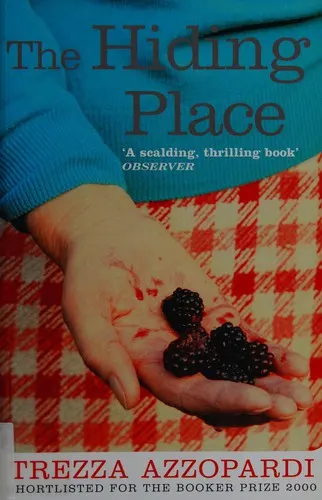
Dolores Gauci narrates her childhood in a Maltese-Welsh family crowded into Cardiff’s Tiger Bay, where poverty, gambling and parental desperation shape the children’s world. Like Ruby Lennox, Dolores observes adult calamity with a child’s partial understanding; what she cannot interpret becomes more haunting than anything she states outright.
Azzopardi also shares Atkinson’s gift for making a family home feel both densely inhabited and full of dangerous blank spaces. Her Booker-shortlisted debut is darker and more compressed than Behind the Scenes at the Museum, but its lyrical precision and fierce attention to overlooked daughters make it an essential companion.
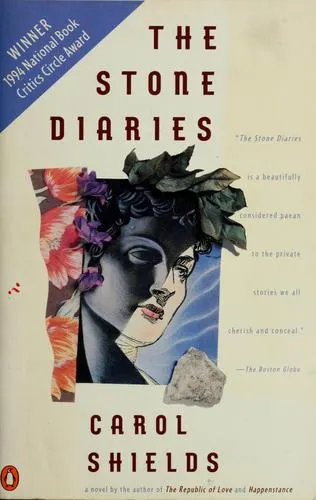
If Atkinson’s footnotes made you delight in the audacity of rebuilding a woman’s life from fragments, read this Pulitzer Prize winner. Shields presents Daisy Goodwill’s existence through shifting viewpoints, letters, photographs and other supposedly authoritative evidence—then lets contradictions and omissions expose how easily a woman can disappear inside her own biography.
The wit is quieter than Atkinson’s but just as exact, especially about marriage, motherhood and the comedy of other people’s certainty. Shields makes an outwardly ordinary life feel inexhaustible. By the end, absence itself has become evidence, and you may find yourself reconsidering whose stories every family archive fails to tell.
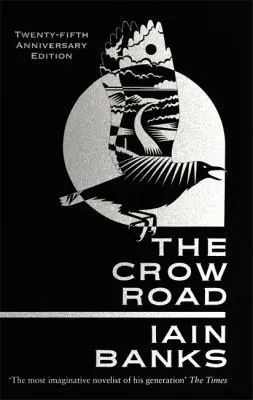
“It was the day my grandmother exploded.” Banks’s famous opening announces the same exhilarating pact Atkinson offers: death will be serious, but solemnity is optional. Prentice McHoan returns to his exuberant Scottish family carrying questions about love, belief and an uncle who vanished, and the novel moves through generations with apparently casual abundance.
What looks like comic sprawl gradually reveals formidable design. Banks gives eccentric relatives their full ridiculousness without reducing them to jokes, and he understands that family mysteries matter because affection survives them. One of his best-loved non-science-fiction novels, The Crow Road delivers that rare Atkinsonian pleasure: discovering that the funniest details were also clues to the deepest wounds.