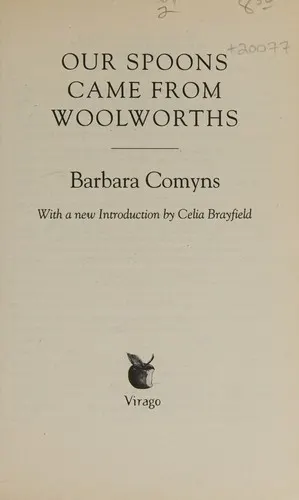
Books like Our Spoons Came from Woolworths
Our Spoons Came from Woolworths and Stevie Smith’s Novel on Yellow Paper are secret sisters, both turning an unconventional woman’s seemingly artless chatter into sharp, formally daring literature.
If you liked Our Spoons Came from Woolworths, you’ll love these
Not lookalikes — kindred books. Each one shares something essential with Our Spoons Came from Woolworths, and we tell you exactly what.
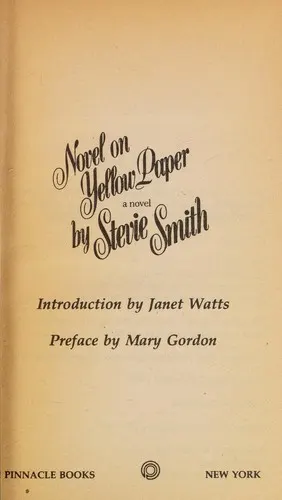
Pompey Casmilus, a publisher’s secretary, types her thoughts on office paper: memories, jokes, prejudices, love affairs and sudden apprehensions of cruelty. Like Sophia Fairclough, she sounds spontaneous and guileless while noticing far more than respectable people suppose.
Smith’s 1936 debut has the darting rhythms and macabre wit familiar from her celebrated poetry. Its fragments create an intimate, unruly intelligence rather than a conventional narrative voice. Anyone enchanted by Comyns’s ability to make comedy, pain and social observation coexist in one plain sentence should seek out this singular modernist novel.
Bainbridge shares Comyns’s rare tonal gift: calamity arrives wearing the clothes of farce. Brenda and Freda, ill-matched flatmates working at a bottle factory, prepare for an employee outing amid romantic schemes, workplace tensions and small humiliations. Bainbridge watches them with unsentimental tenderness, letting awkward details carry enormous emotional weight.
Winner of the Guardian Fiction Prize, this compact novel is among Bainbridge’s finest black comedies. Its briskness is deceptive: every eccentric gesture exposes loneliness, class vulnerability or thwarted desire. If Comyns made you laugh while keeping you uneasily aware of how exposed Sophia is, Bainbridge will produce the same dangerous laughter.
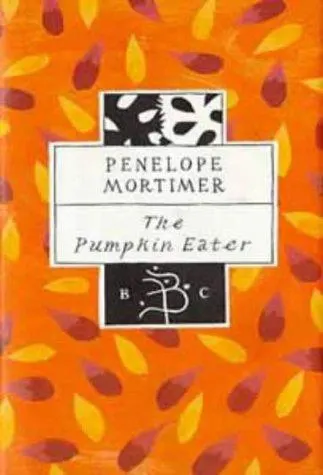
Mortimer begins with a woman crying in Harrods and being sent to a psychiatrist, who wants to reduce her complicated life to manageable facts: husbands, children, symptoms. Her narrator’s resistance—funny, intelligent and increasingly furious—turns domestic experience into an indictment of the assumptions surrounding marriage and motherhood.
Where Comyns uses apparent innocence, Mortimer uses acid lucidity, but both refuse to sentimentalize maternal love or conceal its physical and economic costs. Long cherished as a feminist classic, The Pumpkin Eater is devastating precisely because its wit never becomes a shield against feeling. It gives articulate form to pressures that Sophia can only recount, making it an indispensable companion to Comyns.