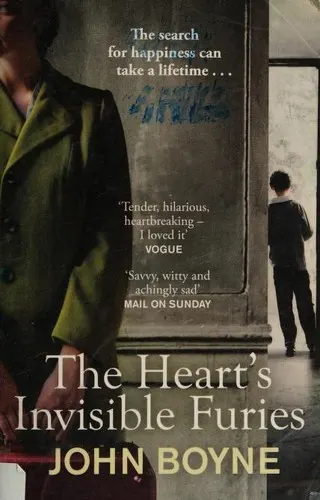
Books like The Heart's Invisible Furies
Afterlives. John Boyne’s novel lingers because it turns one man’s bruising passage through history into something furious, funny, and unexpectedly forgiving. These three novels share that rare combination of social reckoning, emotional sweep, and characters who become lifelong companions.
If you liked The Heart's Invisible Furies, you’ll love these
Not lookalikes — kindred books. Each one shares something essential with The Heart's Invisible Furies, and we tell you exactly what.
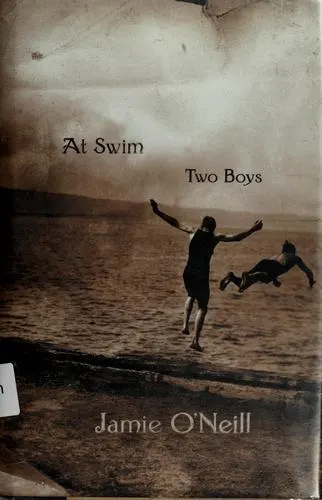
In the Ireland of 1915, shy Jim Mack and charismatic Doyler Doyle make a pact to swim to a distant island. Around that intimate promise, Jamie O’Neill builds a magnificent novel about desire awakening amid religion, class resentment, nationalism, and approaching revolution.
Like Boyne, O’Neill exposes the cruelty inflicted when a country’s heroic self-image leaves no room for private truth. But this is no imitation: its exuberant, Joycean language makes yearning feel almost physical, while its humor keeps the novel alive with mischief and warmth. Since its publication, it has become a deeply cherished landmark of Irish queer fiction. Anyone moved by Cyril Avery’s struggle to claim his own life should not miss Jim and Doyler.
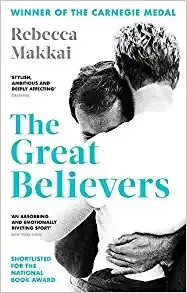
Rebecca Makkai begins in 1980s Chicago, where Yale Tishman watches AIDS tighten its grip on his circle of friends, and in contemporary Paris, where Fiona searches for her estranged daughter. The two strands gradually reveal how grief travels through friendships and families long after the world has turned its attention elsewhere.
What links it to The Heart’s Invisible Furies is not simply queer history, but its refusal to reduce gay lives to suffering. The novel is crowded with jokes, ambitions, quarrels, art, loyalty, and imperfect acts of care. Makkai has Boyne’s gift for making large historical injustice painfully personal without losing narrative momentum. A Pulitzer finalist and winner of the Carnegie Medal, it is one of those acclaimed novels whose emotional reputation is fully deserved: by the end, its absent characters feel as vivid as its living ones.
The Barnes family is coming apart: the car business is failing, the parents are retreating into secrets, and their children are trying to understand the disaster unfolding around them. Paul Murray lets each family member take possession of the story, repeatedly overturning what the reader thought they knew.
Boyne admirers will recognize the exhilarating tonal balance: broad comedy edged with dread, intimate shame connected to Ireland’s larger culture of concealment, and flawed people treated with both merciless clarity and compassion. Murray’s polyphonic storytelling turns misunderstandings into emotional suspense; even punctuation and voice become part of how each character hides from reality. Booker-shortlisted and greeted as a major contemporary Irish novel, The Bee Sting offers the same irresistible experience of laughing through a family epic until the laughter catches in your throat.