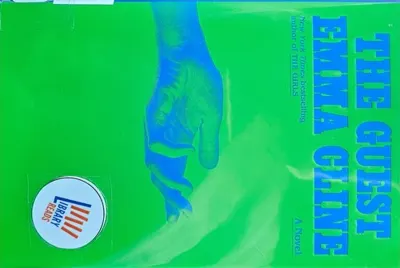
Books like The Guest
Sunlit unease, borrowed glamour, and the suspicion that every social misstep could become a catastrophe run through these three novels.
If you liked The Guest, you’ll love these
Not lookalikes — kindred books. Each one shares something essential with The Guest, and we tell you exactly what.
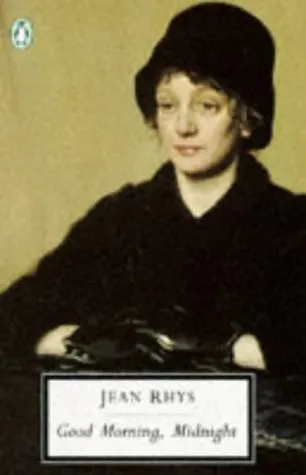
Sasha wanders through 1930s Paris with little money, carefully rationing drinks, clothes, rooms, and encounters while trying to preserve a presentable version of herself. Like Alex, she understands that appearance is a form of currency—and that humiliation can arrive in the smallest gesture.
Rhys’s modernist classic is sadder and more intimate than The Guest, but it shares Cline’s extraordinary attention to the calculations beneath apparently aimless movement. Every café and hotel becomes a test of whether Sasha can still pass as someone the world will admit. Few novels capture precariousness, self-invention, and the violence of being appraised with such merciless clarity.

Lise abruptly leaves her office job, buys a conspicuously garish outfit, and flies south on holiday. From those ordinary actions Spark creates a short, unnerving novel in which every exchange feels subtly wrong. The narration withholds conventional psychological comfort, leaving the reader to study Lise’s behavior while dread accumulates around her.
Readers who admired how Cline turns drifting into suspense will recognize Spark’s ruthless control. The book is stranger, sharper, and more formally audacious than a conventional psychological thriller; its cult reputation rests on how completely it destabilizes our assumptions about agency, vulnerability, and danger. It can be read in an evening and is almost impossible to shake.
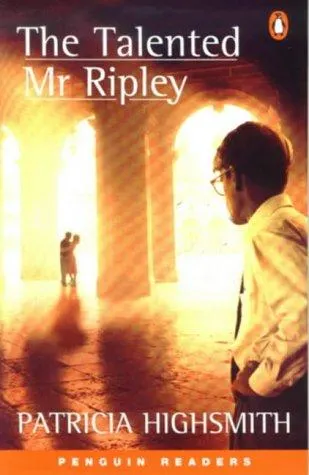
Tom Ripley begins the novel feeling watched. Soon, a wealthy man offers him a trip to Europe to persuade his wayward son to return home, and Tom enters a world whose ease and beauty expose how badly he wants another life.
Highsmith’s enduringly influential novel is the great study of social performance as both survival strategy and appetite. Like Cline, she keeps the reader alarmingly close to an improviser who notices every advantage, insult, and opening while refusing to examine himself too honestly. The suspense comes not merely from what Tom may do, but from watching identity become something he can rehearse. Few novels make moral unease feel so elegant—or complicity so pleasurable.