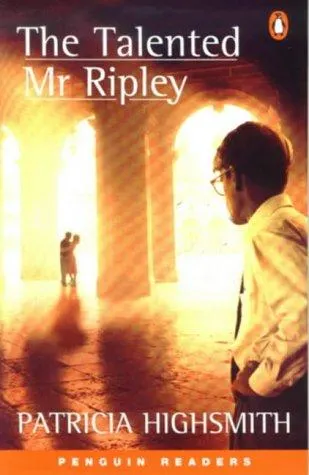
Books like The Talented Mr. Ripley
Where The Debt to Pleasure turns refinement into a sinister confidence trick, A Kiss Before Dying makes youthful charm feel like a weapon. Along with The Book of Evidence, these novels recreate Highsmith’s most unsettling achievement: drawing us close to an intelligent, self-inventing predator without asking us to approve of him.
If you liked The Talented Mr. Ripley, you’ll love these
Not lookalikes — kindred books. Each one shares something essential with The Talented Mr. Ripley, and we tell you exactly what.
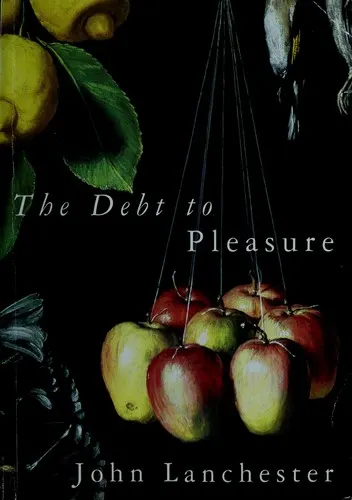
Tarquin Winot travels through France composing what appears to be a memoir-cum-cookbook: recipes, aesthetic judgments and serenely imperious opinions delivered in immaculate prose. Gradually, his cultivated voice begins to disclose something far darker.
Like Tom Ripley, Tarquin treats taste as both identity and camouflage. Lanchester makes food, art and travel sensuously pleasurable while teaching you to distrust the man arranging them. The result is witty, poisonous and unnervingly intimate—a virtuoso debut that won the Whitbread First Novel Award and has attracted devoted readers ever since. Few novels so elegantly demonstrate how readily sophistication can become an alibi.
Levin’s young antihero has charm, intelligence and one overriding ambition: entry into a rich family’s world. When his girlfriend’s pregnancy threatens that future, he regards her less as a person than as a problem requiring an ingenious solution.
Ripley readers will recognize the chilling mixture of aspiration, resentment and practical amorality. But Levin supplies a different pleasure: brutally efficient suspense, with every social gesture and small logistical detail tightened into a trap. Winner of the Edgar Award for Best First Novel, it remains a model of thriller construction. It moves with such clean inevitability that stopping midway feels almost impossible.
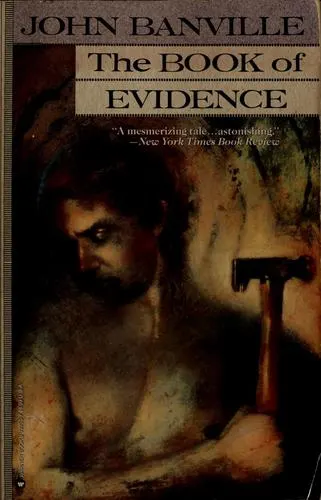
Freddie Montgomery addresses the court in his own defense, attempting to explain the killing for which he is being tried. What emerges is not a reliable confession but a dazzling performance by a man who can describe beauty more readily than he can recognize another person’s reality.
Banville shares Highsmith’s fascination with the criminal as self-author: vain, evasive, intermittently lucid and forever revising himself for his audience. Freddie’s voice is richer and more baroque than Ripley’s cool intelligence, yet it creates the same disturbing complicity—we keep listening because his perceptions are so acute, even when his moral vision is grotesquely deficient. Shortlisted for the Booker Prize, this is psychological crime fiction raised to the level of a fiercely beautiful literary monologue.