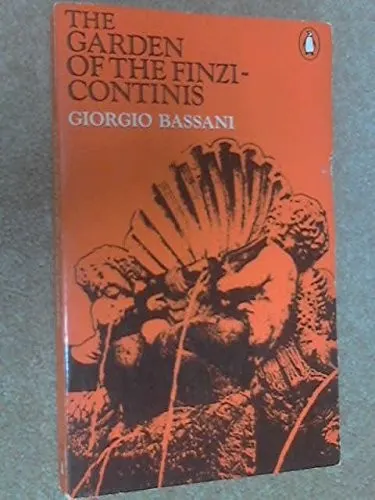
Books like The Garden of the Finzi-Continis
Afterimages. Bassani’s novel endures because love, privilege, beauty, and historical catastrophe reach us through a memory that cannot stop revising what it has lost. These three novels create that same ache in strikingly different ways.
If you liked The Garden of the Finzi-Continis, you’ll love these
Not lookalikes — kindred books. Each one shares something essential with The Garden of the Finzi-Continis, and we tell you exactly what.
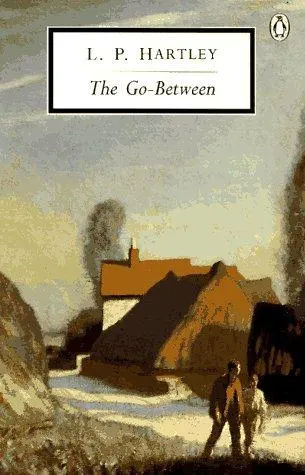
An elderly narrator looks back on a summer he spent as a boy at an English country estate, where he was drawn into adult passions he could not understand. Like Bassani, Hartley makes an enclosed, seemingly timeless world shimmer with retrospective knowledge: every game, social distinction, and charged encounter means more to the older narrator than it did to the person living it.
Hartley’s celebrated opening—“The past is a foreign country”—has become proverbial because the whole novel earns it. The prose is lucid, the emotional machinery exquisitely controlled, and the remembered summer acquires an almost unbearable brightness. Readers who loved Bassani’s fusion of desire, exclusion, and belated comprehension should not miss this quietly devastating classic.

Bassani’s narrator is haunted partly by the limits of what he understood about Micòl; Szabó builds an entire novel around that torment. A writer recalls her long, intimate, combative relationship with Emerence, the fiercely private housekeeper who admits almost no one past her literal or emotional door. Admiration, dependence, resentment, and guilt become so entangled that the book reads like a confession whose truth keeps deepening.
Winner of France’s Prix Femina étranger and now widely regarded as Szabó’s masterpiece, The Door has inspired unusually passionate devotion. Its power comes not from grand revelations but from exact moral pressure: what do we owe another person, and how badly can love fail when it assumes it understands? The final ache is pure Bassani—knowledge arriving after it can no longer repair anything.
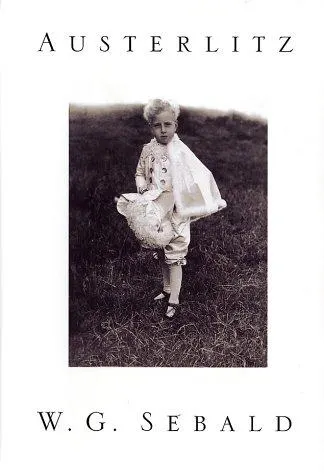
For the reader most captivated by Bassani’s transformation of historical disaster into the texture of personal memory, Austerlitz is essential. Its wandering narrator meets Jacques Austerlitz, an architectural historian whose obscure beginnings gradually press themselves upon his adult life. Railway stations, waiting rooms, photographs, and fortifications become repositories of what individuals and nations have tried not to know.
Sebald’s long, hypnotic sentences move by association rather than conventional suspense, yet the novel exerts a remarkable pull: each image seems to open a concealed chamber behind ordinary reality. Awarded the National Book Critics Circle Award and often considered Sebald’s supreme achievement, Austerlitz shares Bassani’s rarest gift—the ability to write about the Holocaust without diminishing it into explanation, allowing absence itself to become eloquent.