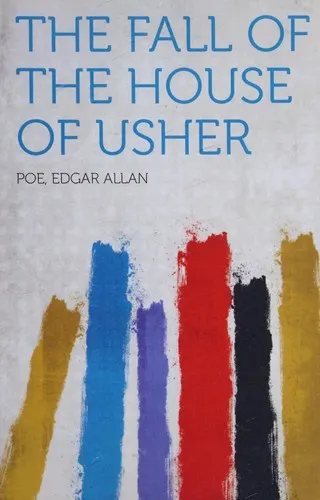
Books like The Fall of the House of Usher
—because the real horror is not simply that the house may be alive, but that its decay seems inseparable from the minds trapped inside it. These three novels recreate that fatal intimacy between architecture, atmosphere, and consciousness.
If you liked The Fall of the House of Usher, you’ll love these
Not lookalikes — kindred books. Each one shares something essential with The Fall of the House of Usher, and we tell you exactly what.
Jackson’s acknowledged masterpiece offers perhaps the purest continuation of Poe’s achievement. Hill House is described with such subtly wrong angles and proportions that architecture becomes psychological pressure; even before anything overtly uncanny occurs, the building seems to be thinking around its visitors.
Like Poe, Jackson makes terror depend on unstable perception. Her lonely protagonist, Eleanor, is vulnerable to the house precisely because she longs to belong somewhere, and Jackson’s elegant, sly prose keeps shifting the boundary between supernatural assault and inward collapse. Few haunted-house novels have been so influential, and fewer still remain this frightening: to miss it is to miss the book that perfected Poe’s idea of a dwelling as both monster and mind.

For the feverish, baroque side of “Usher,” enter Malpertuis. Jean Ray’s cult classic of Belgian fantastical literature assembles manuscripts and testimonies around a labyrinthine mansion where a grotesque family has gathered under the authority of a dying patriarch. The effect is deliberately disorienting: locked rooms, competing narrators, obscure prohibitions, and glimpses of something ancient behind the household’s decay.
Where Jackson is precise, Ray is delirious. Malpertuis feels like a Gothic inheritance contaminated by myth and nightmare, its mysteries multiplying until the house becomes a private universe with its own malignant laws. It has long inspired devotion among readers of weird fiction, and its strangeness is still genuinely singular.
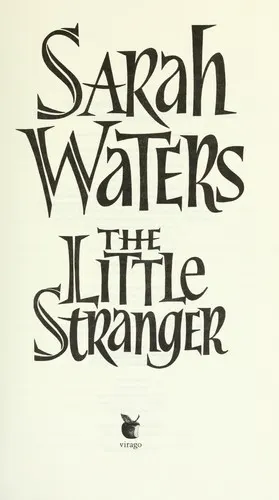
Hundreds Hall is not spectacularly ruined; it is being defeated room by room—stained plaster, failing finances, obsolete grandeur. Sarah Waters uses that material decline to create a remarkably patient dread. A country doctor becomes involved with the family still clinging to the estate, and his observant, reasonable narration only makes the house’s disturbances harder to interpret.
This Booker Prize–shortlisted novel shares Poe’s fascination with families imprisoned by inheritance, but adds class resentment, thwarted desire, and the humiliations of social decline. Waters never cheapens the ambiguity by telling you exactly what to fear. The result is a slow, cold haunting whose final implications continue rearranging the novel after you finish it.