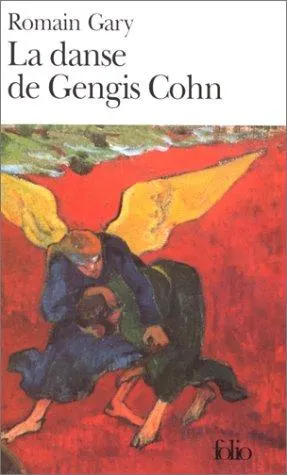
Books like The Dance of Genghis Cohn
After Gary’s impossible trick, ordinary solemnity can feel evasive. What satisfies is fiction brazen enough to make guilt, historical horror, unstable identity, and outrageous laughter occupy the same body—without allowing comedy to become absolution.
If you liked The Dance of Genghis Cohn, you’ll love these
Not lookalikes — kindred books. Each one shares something essential with The Dance of Genghis Cohn, and we tell you exactly what.
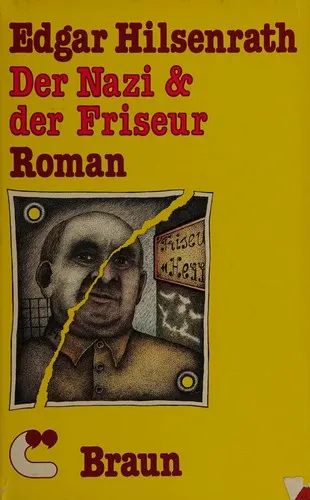
Hilsenrath takes the greatest possible moral risk: he gives the microphone to Max Schulz, an unrepentant Nazi murderer whose jaunty, vulgar voice turns racial categories and respectable postwar memory into a grotesque farce. Like Gary, he makes laughter catch in the throat; the jokes do not diminish the crimes but expose the obscenity of every language used to excuse them.
German publishers initially recoiled from the manuscript, which appeared in English in 1971 before its belated German publication became a sensation. That history matters: this is satire abrasive enough to test what literature is permitted to say. Anyone exhilarated by Genghis Cohn’s insolent haunting should not miss Hilsenrath’s equally fearless assault on innocence, identity, and good taste.
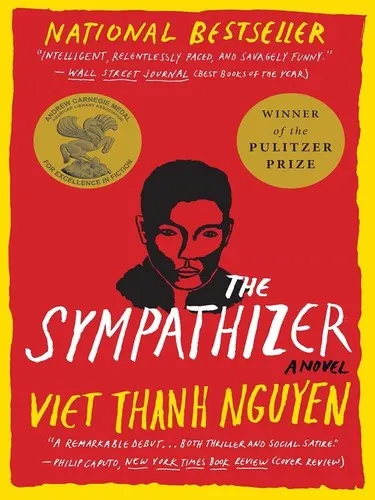
Gary’s executioner and his ghost are locked in an intimate struggle over who owns a mind. Nguyen transforms that divided consciousness into the voice of a communist double agent—a self-described “man of two minds”—writing a confession after the fall of Saigon. Every polished sentence carries competing loyalties, and the narrator’s intelligence makes his compromises both funnier and more appalling.
The comedy is sleek rather than vaudevillian: ideological euphemisms, expatriate vanity, revolutionary certainty, and American fantasies of war are cut apart with exquisite timing. Yet the novel keeps asking Gary’s hardest question: can someone implicated in history ever narrate himself into innocence? Its Pulitzer Prize recognized not merely a political novel but a virtuoso performance of voice. The more charming the confession becomes, the less safely the reader can stand outside it.
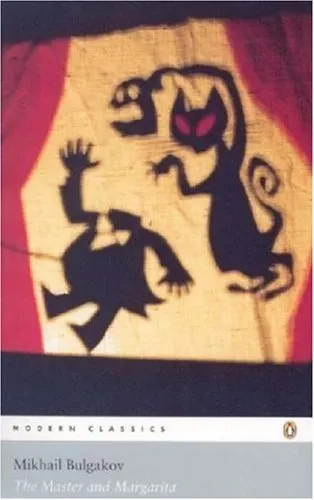
For the supernatural audacity of Gary’s dybbuk, turn to Bulgakov’s demonic carnival. When a mysterious foreigner arrives in officially atheistic Moscow, rational order begins collapsing into magic, spectacle, and wonderfully targeted humiliation. Bulgakov shares Gary’s faith that realism may be too polite for certain kinds of evil: only the impossible can reveal how absurd and spiritually deformed ordinary life has become.
The novel’s set pieces are deliriously entertaining, but its laughter has judgment behind it. Bureaucrats, opportunists, artists, and cowards expose themselves as the fantastic invades the everyday; tenderness and metaphysical seriousness gradually emerge beneath the slapstick. Suppressed during Bulgakov’s lifetime and first published in censored form decades later, it became one of the twentieth century’s most fiercely loved novels. Few books make moral reckoning feel so much like a forbidden theatrical event.