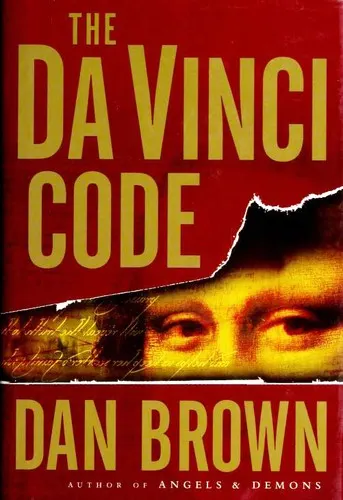
Books like The Da Vinci Code
What if the history everyone accepts is only the cover story—and the evidence needed to overturn it has been visible all along? These three novels turn that suspicion into very different kinds of irresistible reading.
If you liked The Da Vinci Code, you’ll love these
Not lookalikes — kindred books. Each one shares something essential with The Da Vinci Code, and we tell you exactly what.
Neville delivers the intoxicating combination of vast stakes, encoded artifacts, historical secrets, and relentless movement that makes Dan Brown so difficult to put down. Its central object is a legendary chess set once owned by Charlemagne, scattered for protection during the French Revolution; two centuries later, a computer expert is drawn into the unfinished struggle surrounding it.
The pleasure lies not merely in solving clues but in watching separate eras and disciplines lock together like pieces of an enormous mechanism. Mathematics, music, politics, and chess all become parts of the chase. Published long before the modern boom in historical conspiracy thrillers, The Eight became an enduring word-of-mouth favorite and remains one of the genre’s most beloved precursors. If The Da Vinci Code made scholarship feel like an extreme sport, this is essential.
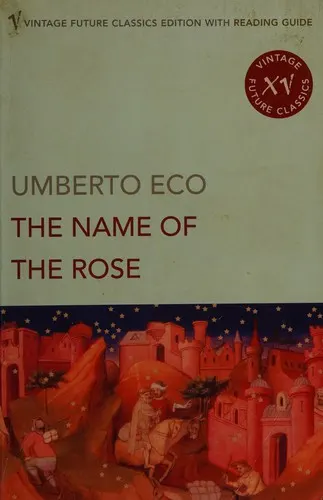
For readers who loved entering churches, libraries, paintings, and manuscripts as though they were crime scenes, Eco offers the magnificent original. In a fourteenth-century abbey, the learned friar William of Baskerville investigates a suspicious death while a major theological dispute approaches. Every architectural detail, disputed text, and apparently trivial sign may carry lethal meaning.
Eco was a distinguished semiotician, and he makes interpretation itself suspenseful: how do we know when a pattern is genuine, and when our hunger for meaning has created it? Yet this is no dry intellectual exercise. It is a gripping murder mystery with a labyrinth at its heart, a worldwide bestseller that also won Italy’s Premio Strega. The Da Vinci Code races through Western history; The Name of the Rose makes you feel its stones, shadows, fears, and forbidden ideas closing around you.
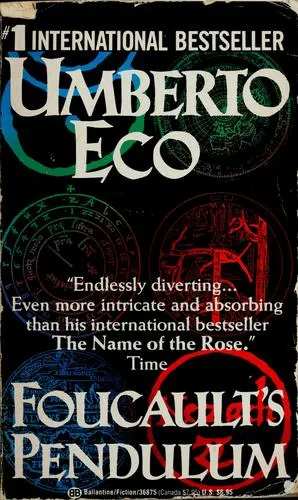
If your favorite part of The Da Vinci Code was the dizzying possibility that secret orders have shaped centuries of history, Foucault’s Pendulum is the daring next step. Three Milanese editors, weary of reading occult manuscripts, begin combining fragments about the Templars, alchemy, mysticism, and hidden power into a grand conspiracy of their own. The game soon acquires an unnerving gravity.
Eco understands exactly why conspiracy theories seduce intelligent people: they transform coincidence into design and make the initiated reader feel that nothing is meaningless. The novel is denser, stranger, and more darkly comic than Brown, but that is its reward. Long celebrated as the great literary novel of conspiracy thinking, it does not merely give you a secret history to decode—it changes the way you look at the human compulsion to invent one.