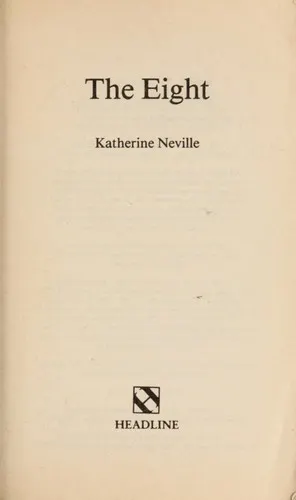
Books like The Eight
The Eight and A. S. Byatt’s Possession turn scholarship into a breathless, romantic form of treasure hunting.
If you liked The Eight, you’ll love these
Not lookalikes — kindred books. Each one shares something essential with The Eight, and we tell you exactly what.
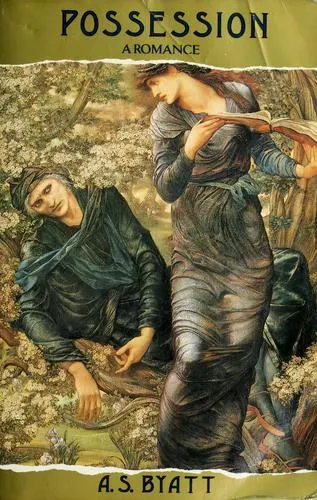
Two modern academics discover an unexpected connection between eminent Victorian poets and begin following the trail through letters, diaries, manuscripts, and verse. As in The Eight, intellectual clues are never mere decoration: every discovery rearranges both the historical story and the investigators’ understanding of themselves.
Byatt’s Booker Prize winner is more literary and intimate than Neville’s novel, but it offers the same exhilarating fusion of inquiry, romance, rivalry, and hidden history. Its invented Victorian writing is so convincing that the past seems to materialize under your fingers. Few novels make research feel this dangerous—or desire this intelligent.
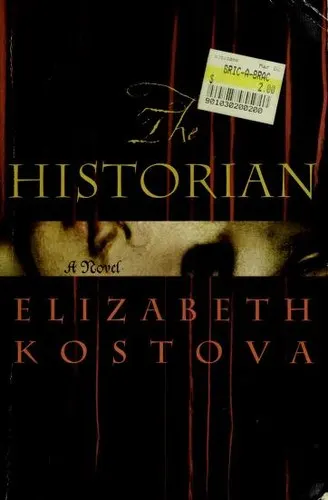
Kostova builds her suspense out of old books, annotated maps, letters, scholarly obsessions, and stories nested across generations. A young woman finds a strange volume in her father’s library, and her questions draw out an unfinished search whose implications stretch deep into European history.
What will especially satisfy a reader of The Eight is the sense that knowledge has physical weight: archives become charged spaces, documents become traps, and historical interpretation carries mortal consequences. Kostova’s internationally bestselling debut is slower and more atmospheric than Neville’s whirlwind, but its accumulating dread and richly furnished intellectual world inspire fierce devotion. It is the sort of novel that makes a library after dark feel permanently altered.
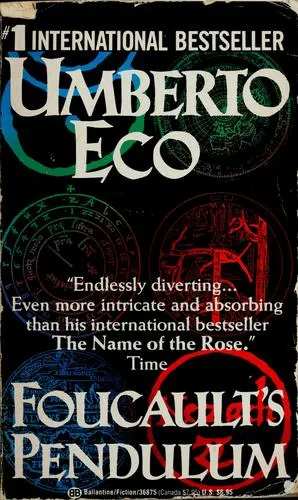
Three Milanese editors, surrounded by manuscripts full of occult claims, begin assembling fragments of esoteric history into an elaborate master theory. At first the game displays their learning and ingenuity; gradually, patterns acquire a frightening authority of their own.
Eco shares Neville’s delight in codes, secret orders, historical crosscurrents, and audacious connections, but he also asks why such patterns seduce us. The result is demanding, funny, paranoid, and intellectually intoxicating—a conspiracy novel that understands conspiracy from the inside. Eco, the scholar-novelist behind The Name of the Rose, makes the reader a participant in the puzzle, and afterward lesser historical thrillers can feel painfully flat.