Books like The Card
Years later, Denry’s escapades remain irresistible because Bennett makes cheek, luck, and social ambition feel like life-enhancing virtues—and regards provincial respectability with both sharp amusement and genuine affection. These three novels share that rare comic generosity.
If you liked The Card, you’ll love these
Not lookalikes — kindred books. Each one shares something essential with The Card, and we tell you exactly what.
Lucia is Denry’s magnificent social counterpart: a tireless self-inventor who treats village prestige as an empire to be conquered. Music, culture, parties, and conversational alliances become instruments in campaigns conducted with sublime confidence. Benson understands, as Bennett does, that small communities can contain ambitions of Napoleonic scale.
Yet the comedy is affectionate rather than cruel. Lucia’s pretensions are transparent, but her energy gives the book its sparkle. This opening volume of Benson’s enduringly beloved Mapp and Lucia sequence introduces a comic world so complete that generations of readers have settled into it for all six books. Missing Lucia would mean missing one of English fiction’s great performers.
Mr Polly initially seems Denry’s opposite: an unhappily married shopkeeper oppressed by business, boredom, and his own sense of failure. But Wells gives him the same essential resource Bennett gives Denry—the capacity to turn ordinary life into an adventure through sheer improvisation.
The novel’s comedy springs from shop signs, money worries, romantic notions, and Mr Polly’s gloriously mangled vocabulary, while its deeper pleasure lies in Wells’s refusal to believe that a modest life must remain a defeated one. Often regarded as one of Wells’s finest comic novels, it reveals the warmth and verbal playfulness obscured by his reputation as a prophet of science fiction. Anyone who loves Bennett’s belief in audacity as a form of intelligence should read it.
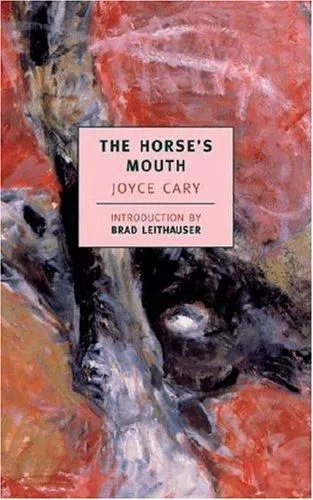
For the pure exhilaration of following an incorrigible man who converts every obstacle into another opportunity, meet Gulley Jimson. An ageing painter with no money, few scruples, and absolute faith in his vocation, he narrates his own misadventures in a voice bursting with jokes, appetite, biblical thunder, and cunning.
Cary’s comedy is rougher and more anarchic than Bennett’s, but Jimson possesses Denry’s gift for making the world yield to nerve. He is impossible, exasperating, and intensely alive; beneath the farce lies a serious vision of creative compulsion. Widely regarded as Cary’s masterpiece—and later memorably adapted for film by Alec Guinness—the novel offers one of literature’s most irresistible rogues. Once Jimson begins talking, not reading on becomes very difficult.