Books like Queen Lucia
You already know the pleasure of watching supreme self-confidence collide with quietly observant neighbours. These three novels offer similarly exquisite mixtures of performance, rivalry, absurdity and reluctant affection.
If you liked Queen Lucia, you’ll love these
Not lookalikes — kindred books. Each one shares something essential with Queen Lucia, and we tell you exactly what.
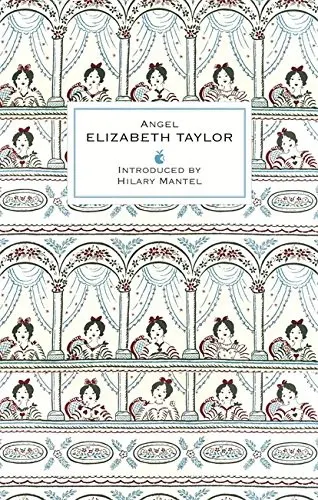
Angelica Deverell is a magnificently impervious fantasist who, despite scant experience of life, writes lavish romantic novels and expects the world to recognize her genius. Like Lucia, she converts every room into a stage and every setback into evidence of her own importance. Taylor never merely mocks her: the comedy comes from the precision with which Angel’s grandiose inner pageant brushes against ordinary reality.
Long cherished by novelists and critics, Angel is one of Elizabeth Taylor’s sharpest demonstrations of why her reputation has steadily risen. It gives you the delicious superiority of seeing through its heroine, then complicates that pleasure with pity and admiration. Anyone who enjoys Lucia’s indestructible gift for self-invention should meet Angel.
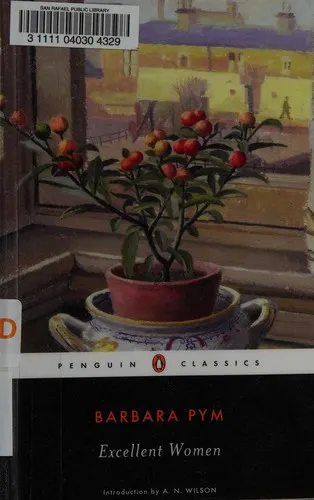
Mildred Lathbury appears to be the opposite of Lucia: self-effacing, dependable and forever expected to make tea. Yet she understands just as keenly that apparently trivial communities run on precedence, insinuation and strategic hospitality. Her dry narration catches every vanity without raising its voice; a small conversational pause can expose an entire campaign for dominance.
Pym’s career was famously revived after Philip Larkin and Lord David Cecil named her among the century’s most underrated writers, and Excellent Women has become her most beloved novel. Its comedy is quieter than Benson’s but no less exact. Read it for the rare exhilaration of finding that jumble sales, clerical politics and unwanted confidences can generate suspense as real as any duel.
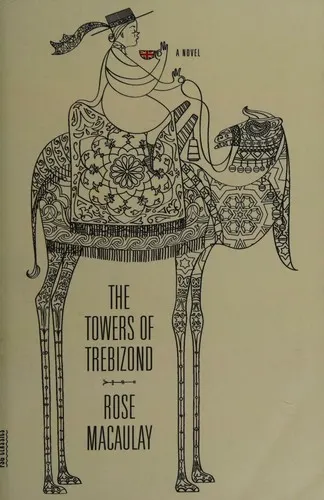
Rose Macaulay begins with an immortal sentence about taking her aunt, a camel and a High Anglican clergyman to Turkey, then sustains that improbable poise. Aunt Dot possesses Lucia’s sovereign assumption that her enthusiasms deserve universal cooperation, while the narrator observes eccentrics, snobberies and cultural affectations with an intelligence both mischievous and melancholy.
Winner of the James Tait Black Memorial Prize, The Towers of Trebizond is far more than a procession of comic oddities. Its wit gradually reveals emotional and spiritual depths without surrendering its lightness. If Benson’s comedy delights you because absurd people can remain strangely lovable—and because cultivated nonsense sometimes brushes against genuine longing—Macaulay’s singular masterpiece is indispensable.