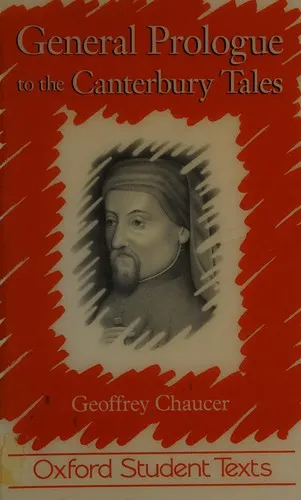
Books like The Canterbury Tales
Fellowship. Chaucer’s enduring pleasure lies in gathering clashing voices—pious, vulgar, self-deceiving, eloquent—and letting storytelling expose the whole unruly human company.
If you liked The Canterbury Tales, you’ll love these
Not lookalikes — kindred books. Each one shares something essential with The Canterbury Tales, and we tell you exactly what.
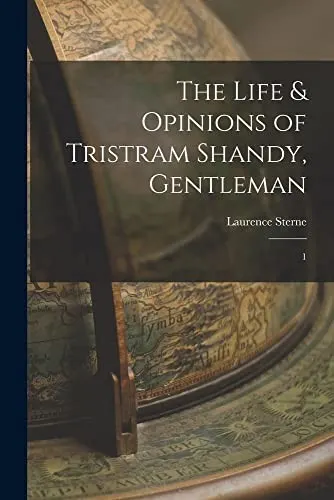
If you love Chaucer’s verbal mischief, bodily comedy, and narrators who reveal more than they intend, Sterne is irresistible. Tristram proposes to tell his life but can barely begin before digressions, family quarrels, typographical jokes, and competing anecdotes take over.
One of the eighteenth century’s most radically inventive novels, it treats narrative rules as toys while preserving an unexpected tenderness toward its ridiculous characters. Sterne makes reading feel like joining a brilliant, shameless conversation; to miss it is to miss one of Chaucer’s truest comic descendants.
A young officer enters the Sierra Morena and finds that every encounter opens into another story—and that stories themselves may be traps, seductions, proofs, or disguises. Potocki nests adventures inside confessions inside legends until rationalists, mystics, rogues, lovers, and theologians seem to be arguing over reality itself.
This cult masterpiece shares Chaucer’s appetite for contradictory worldviews and his refusal to separate philosophy from erotic farce. Its elaborate architecture never suppresses its sheer storytelling pleasure: each new voice makes the world stranger and more capacious.

Egan offers a modern equivalent to Chaucer’s social abundance. Beginning with Sasha, a kleptomaniac music-industry assistant, and Bennie, her aging record-executive boss, the novel keeps changing viewpoint, style, and form. Minor figures claim the foreground; comic failures acquire pathos; people judge one another and are quietly judged in turn.
Winner of the Pulitzer Prize, it is formally daring without becoming emotionally cold. Like Chaucer, Egan understands that no single voice can represent a society—and that vanity, appetite, cruelty, and grace often inhabit the same person. Its famous experiments matter because they enlarge sympathy, making the book feel less like a performance than a crowd coming vividly alive.