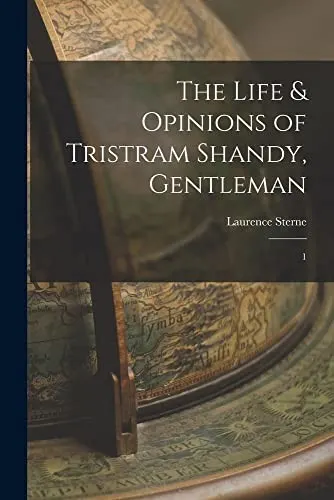
Books like The Life and Opinions of Tristram Shandy, Gentleman
A novel whose visible action is largely confined to one man’s lunch hour may seem an odd successor to Sterne’s unruly pseudo-autobiography. Yet Nicholson Baker’s The Mezzanine understands Sterne’s great discovery: digression is not a delay on the way to life but the form life actually takes. From that miniature, the other two recommendations expand into philosophical road comedy and full-scale fictional insurrection.
If you liked The Life and Opinions of Tristram Shandy, Gentleman, you’ll love these
Not lookalikes — kindred books. Each one shares something essential with The Life and Opinions of Tristram Shandy, Gentleman, and we tell you exactly what.
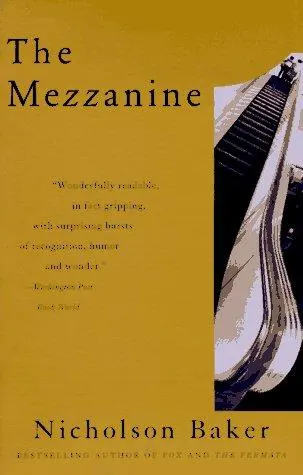
Baker’s celebrated debut follows a man returning from lunch while his mind wanders through shoelaces, drinking straws, escalators, paper bags, and the recent history of everyday objects. The apparent triviality is the joke—and then, unexpectedly, the source of wonder.
Like Sterne, Baker can dilate a second into pages, turn a footnote into a rival narrative, and make obsessive exactness feel intimate rather than merely clever. Both writers treat consciousness as a comic machine whose detours reveal more than any orderly account could. The Mezzanine is short, but its devotees tend to emerge seeing their own smallest habits newly illuminated; missing it means missing one of the purest modern demonstrations that anything, properly noticed, can contain a novel.
A servant and his master travel, argue about freedom and necessity, and repeatedly attempt to tell stories that the narrator, chance, or another story interrupts. Diderot openly learned from Sterne, but Jacques the Fatalist is no dutiful imitation: it turns narrative sabotage into exhilarating philosophical comedy.
The narrator quarrels with the reader, withholds desired information, proposes alternative outcomes, and refuses to let fiction pretend it is inevitable. Yet beneath the gamesmanship lies the same combination Sterne mastered—irreverence warmed by sympathy, skepticism that never hardens into coldness. Admired by writers from Goethe onward, this is one of the great eighteenth-century anti-novels: not just a cousin to Tristram Shandy, but its brilliant conversational partner.
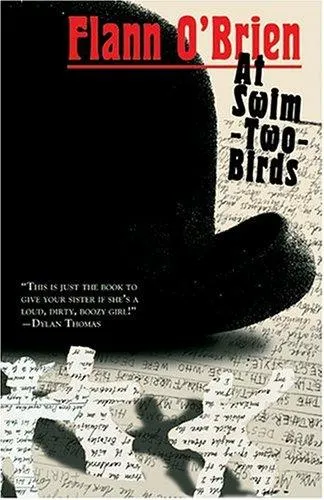
An idle Dublin student begins writing a novel populated by cowboys, legendary Irish heroes, argumentative intellectuals, and characters who grow resentful of the author controlling them. Very soon, authorship itself becomes a labor dispute.
O’Brien shares Sterne’s delight in books that refuse to behave: stories invade one another, beginnings multiply, borrowed styles collide, and the machinery of fiction becomes part of the farce. But his comedy has its own flavor—deadpan, pub-learned, elaborately logical, and gloriously mutinous. Graham Greene recognized it on arrival as belonging in the company of Tristram Shandy and Ulysses; it later became a cult classic whose audacity still feels fresh. If Sterne made the novel discover the pleasure of escaping its own design, O’Brien shows the escape turning into a riot.